Revolutionizing Commutes: The Joy of Electric Bikes

Electric Bike

Understanding Electric Bikes

Electric bikes, commonly known as e-bikes, have gained popularity in recent years. They offer an efficient and eco-friendly mode of transportation.

Cycling

What is an Electric Bike?

At its core, an electric bike is a bicycle with an integrated electric motor. The motor assists with propulsion. This technology makes cycling easier, especially on inclines and over long distances.

Components of an Electric Bike

  • Motor: The motor provides the power. It is either hub-mounted or mid-drive (located at the bike’s crank).
  • Battery: The battery stores the electrical power. Lithium-ion batteries are the standard due to their efficiency and longevity.
  • Controller: The controller regulates the power from the battery to the motor. It adjusts to the rider’s needs.
  • Drivetrain: This includes the chain, pedals, and gears. It works with the motor to propel the bike.
  • Display: An onboard display shows important metrics. These typically include speed, battery level, and distance travelled.

Types of Electric Bikes

There are several types of e-bikes available. Each type serves different needs and preferences:

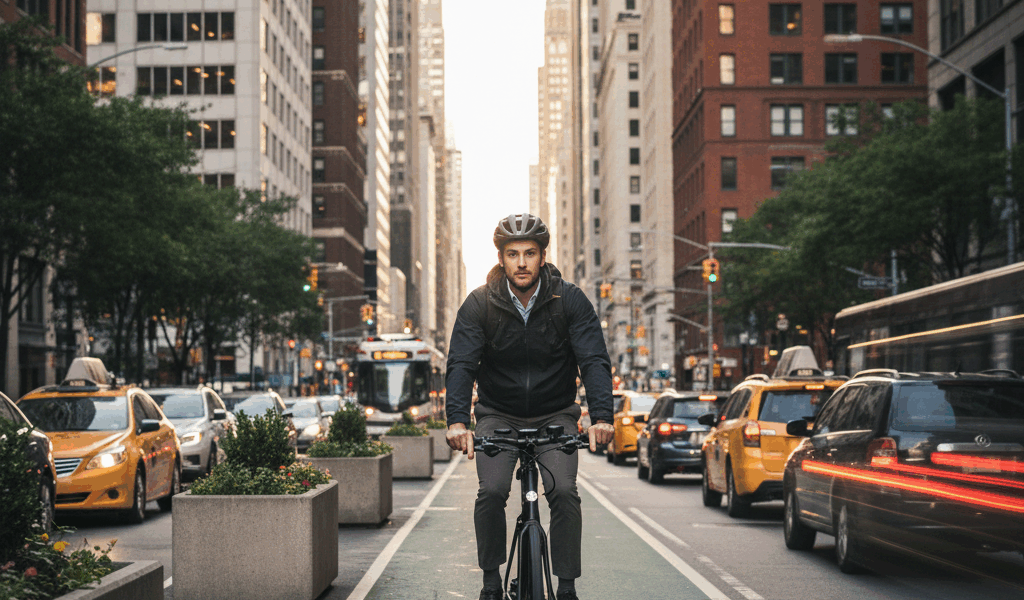
  • City/Commuter E-Bikes: These are designed for urban riding. They prioritize comfort and convenience.
  • Mountain E-Bikes: Built for off-road trails. They have robust frames and enhanced suspension.
  • Folding E-Bikes: These are compact and easy to store. Perfect for city dwellers with limited space.
  • Cargo E-Bikes: Designed to carry heavy loads. Ideal for deliveries or transporting goods.
  • Hybrid E-Bikes: Combine features of road and mountain bikes. Suitable for a variety of terrains.

Advantages of Electric Bikes

E-bikes offer several benefits:

  • Eco-Friendly: They reduce reliance on fossil fuels. Lower carbon emissions contribute to a cleaner environment.
  • Cost-Effective: With fewer maintenance costs and no fuel expenses, they are cheaper to run compared to cars and motorcycles.
  • Health Benefits: E-bikes encourage physical activity. Assisted pedaling makes cycling accessible to more people.
  • Convenience: They help to navigate through traffic easily. Perfect for urban areas with congested roads.
  • Extended Range: Battery assistance allows for longer rides without physical exhaustion.

How to Choose an Electric Bike

When choosing an e-bike, consider the following factors:

  • Type: Determine the primary use. Will it be for commuting, off-road adventures, or cargo transport?
  • Motor Power: Power is measured in watts. Higher wattage means more power, but also more battery consumption.
  • Battery Capacity: Measured in watt-hours (Wh). Larger capacity means longer assisted rides.
  • Range: Consider the distance you plan to travel on a single charge.
  • Frame and Suspension: Choose according to the terrain. A lightweight frame is good for road use, while robust suspension is better for off-road.
  • Budget: E-bikes come in a range of prices. Higher-end models offer more features and better components.

Battery Care and Maintenance

Proper battery care extends the life of your e-bike:

  • Charge Regularly: Avoid letting the battery drain completely. Frequent charging keeps it healthy.
  • Store Properly: Store in a cool, dry place. Extreme temperatures can damage the battery.
  • Avoid Overcharging: Once fully charged, disconnect the battery to prevent overcharging.
  • Clean With Care: Use a damp cloth to clean the battery housing. Avoid direct contact with water.

Legal Considerations

The legal status of e-bikes varies by country and region:

  • Speed Limits: Many regions have maximum speed limits for e-bikes. Typically around 28 mph (45 km/h).
  • Motor Power Limits: Some areas restrict the motor power. Common limits are 250W or 750W.
  • Licencing and Insurance: Check local laws to see if you need a special licence or insurance for your e-bike.
  • Where You Can Ride: Certain paths and trails might be off-limits to motorized bikes.

Future Trends in Electric Bikes

The e-bike industry is rapidly evolving:

  • Advancements in Battery Technology: Newer batteries will offer longer ranges and shorter charging times.
  • Enhanced Connectivity: Smart e-bikes with app integration. Riders can track their performance and plan routes.
  • Lightweight Designs: Improved materials for lighter and more efficient bikes.
  • Increased Automation: Features like automatic gear shifting and adaptive motor assistance.
  • Expansion of E-Bike Sharing Programs: More cities are adopting e-bike sharing systems.

Common Myths About E-Bikes

There are several misconceptions about e-bikes:

  • Myth: E-bikes are cheating. Truth: E-bikes provide assistance, but riders still need to pedal. They make cycling accessible to more people.
  • Myth: E-bikes are only for the elderly. Truth: They are suitable for all ages and fitness levels. Ideal for anyone looking for an easier ride.
  • Myth: E-bikes are too expensive. Truth: While some models are pricey, there are affordable options. The long-term savings on fuel and maintenance add value.
  • Myth: E-bikes are slow. Truth: Many e-bikes can reach speeds up to 28 mph (45 km/h). Fast enough for most commutes.

Maintaining Your Electric Bike

Regular maintenance ensures longevity and performance:

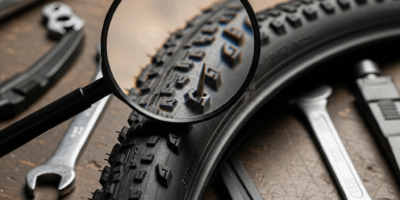
  • Check the Tire Pressure: Properly inflated tires improve efficiency and comfort.
  • Inspect the Brakes: Ensure they are responsive and in good condition.
  • Lubricate the Chain: A well-lubricated chain ensures smooth operation and reduces wear.
  • Keep the Battery Clean: Dirt can affect performance. Use a soft cloth to wipe the battery housing.
  • Service the Motor: If you notice any irregularities in performance, have a professional inspect the motor.

Popular Electric Bike Brands

Several brands have established themselves in the market:

  • Trek Bikes: Known for their sporty and reliable models.
  • Specialized: Offers a wide range of high-performance e-bikes.
  • Giant Bicycles: Produces versatile and affordable e-bikes.
  • Rad Power Bikes: Popular for their robust and durable designs.
  • Haibike: Specializes in premium mountain e-bikes.

Using an Electric Bike for Commuting

Commuting with an e-bike can transform your daily travel:

  • Avoid Traffic Jams: Navigate through congested areas with ease.
  • Save Money: Reduce costs associated with fuel and public transport.
  • Environmentally Friendly: Reduce your carbon footprint by choosing an e-bike over a car.
  • Consistent Travel Time: Bypass traffic, ensuring predictable commute durations.
  • Parking: Easily find parking spots, even in busy urban centers.

Environmental Impact of E-Bikes

E-bikes play a significant role in reducing environmental impact:

  • Reduced Emissions: They produce zero tailpipe emissions, unlike cars and motorcycles.
  • Lower Energy Consumption: E-bikes use minimal electricity compared to the energy consumption of automobiles.
  • Less Traffic Congestion: Fewer cars on the road mean reduced traffic congestion and lower emissions from idling vehicles.

Electric Bike Riding Tips

Maximize your e-bike experience with these tips:

  • Start Slow: Gradually get used to the power assist. Practice in a safe area before hitting busy streets.
  • Be Aware of Battery Life: Keep an eye on your battery levels and plan your rides accordingly.
  • Dress Appropriately: Wear comfortable and weather-appropriate clothing. Consider reflective gear for night rides.
  • Respect Traffic Laws: Follow the same rules as traditional cyclists. Obey traffic signals and signs.
  • Secure Your Bike: Use a sturdy lock to protect against theft, especially in urban areas.

Exploring New Places with an Electric Bike

E-bikes open up new possibilities for exploration:

  • Urban Exploration: Discover hidden corners of your city. Enjoy leisurely rides through parks and urban trails.
  • Scenic Routes: Explore scenic countryside routes with ease. Enjoy the beauty of nature without the strain.
  • Group Rides: Join local e-bike groups or clubs. Experience the social aspect of riding together.
  • Long-Distance Touring: Plan longer rides and tours that would be challenging on a traditional bike.

Electric Bike Safety

Safety should always be a priority:

  • Wear a Helmet: Always wear a helmet to protect against head injuries.
  • Install Lights: Use front and rear lights for visibility, especially when riding at night.
  • Use Bell or Horn: Audible alerts are essential for alerting pedestrians and other cyclists.
  • Check Equipment Regularly: Regularly inspect brakes, tires, and other essential components.

Common Electric Bike Issues

Like any vehicle, e-bikes can encounter issues:

  • Battery Issues: Batteries can lose capacity over time. Regular maintenance and proper charging habits help mitigate this.
  • Motor Malfunctions: Motors can occasionally fail. If you notice a decrease in performance, seek professional help.
  • Electrical Problems: Wiring and connections might loosen or corrode. Regular checks prevent unexpected failures.
Emily Carter

Emily Carter

Author & Expert

Emily Carter is a home gardener based in the Pacific Northwest with a passion for organic vegetable gardening and native plant landscaping. She has been tending her own backyard garden for over a decade and enjoys sharing practical tips for growing food and flowers in the region's rainy climate.

245 Articles
View All Posts

Subscribe for Updates

Get the latest articles delivered to your inbox.