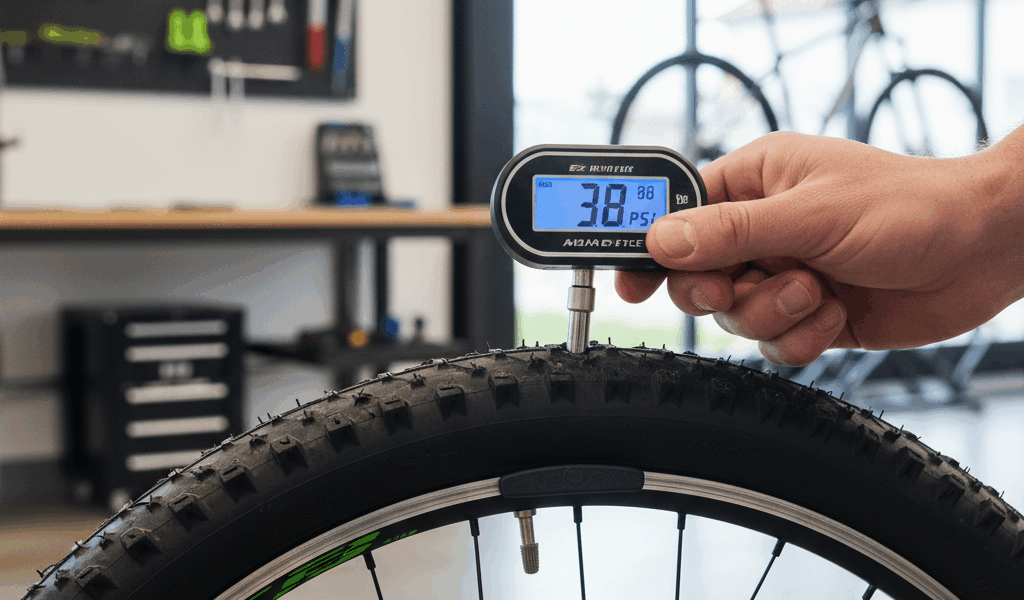
Your tire pressure changes by about 2 PSI for every 10 degrees Fahrenheit. Most riders forget this when the seasons change.
I tested this over the past month as temperatures dropped from 60F to 35F. My 85 PSI tires showed 78 PSI on the gauge after sitting overnight in my garage.
Why It Matters
Low pressure means more rolling resistance and increased puncture risk from pinch flats. Too high in summer heat means reduced grip and a harsh ride.
Simple Fix
Check your pressure the morning of your ride, not the night before. Your tires will be at ambient temperature and give accurate readings.
For every 10 degrees colder than your baseline setup, add 1-2 PSI. Reverse this for hot weather riding.
Digital gauges are more consistent than analog ones for this kind of fine-tuning.



Stay in the loop
Get the latest wildlife research and conservation news delivered to your inbox.