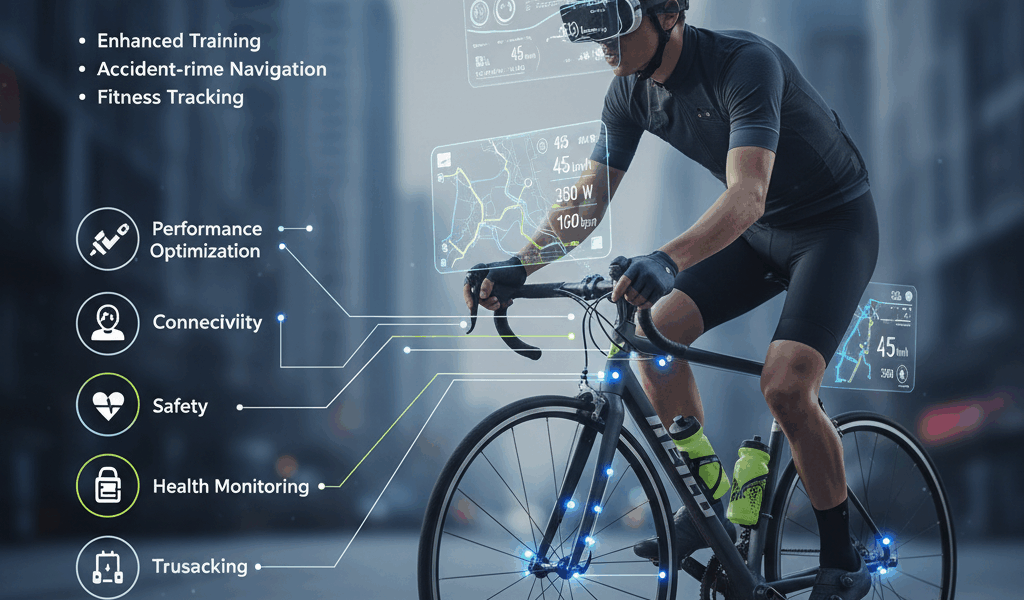
Cycling technology has gotten complicated with all the smart devices and data streams flying around. As someone who’s tracked rides obsessively for years, I learned everything there is to know about which technology actually improves the experience. Today, I will share it all with you.
That’s what makes cycling tech endearing to us data-obsessed riders — the numbers reveal what legs already know.
Performance Technology
Probably should have led with this section, honestly — performance tech has genuinely transformed training.
Power meters: Measure actual work output in watts. No more guessing effort levels. The gold standard for structured training. I resisted buying one for years; now I can’t imagine training without it.
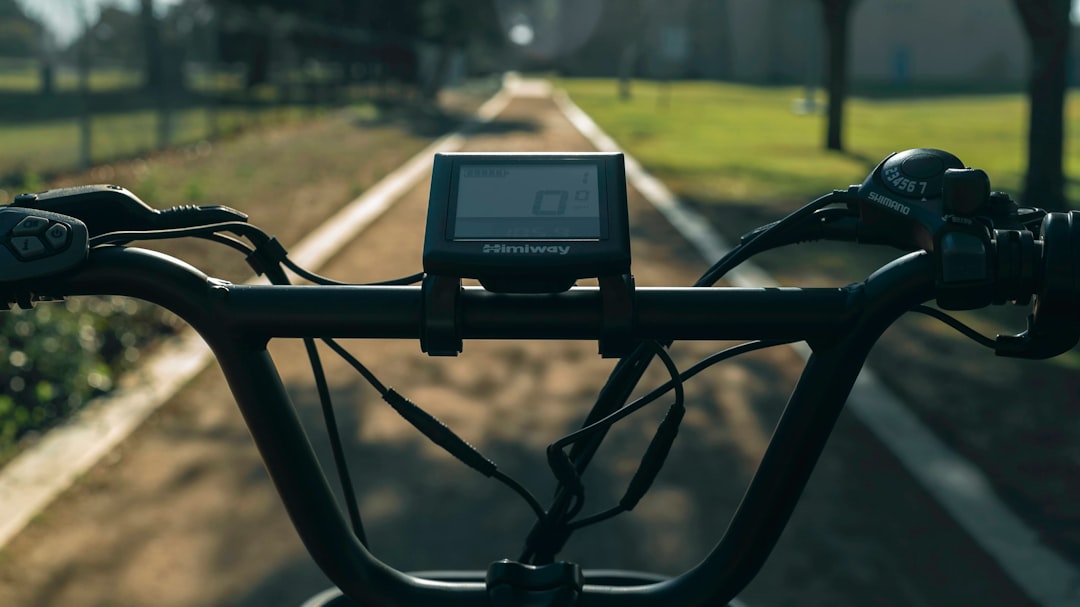
GPS computers: Navigation, ride recording, live metrics. Garmin, Wahoo, Hammerhead dominate. All work well; brand choice is preference.
Heart rate monitors: Training zone guidance, recovery monitoring. Less precise than power but still valuable data.
Bike Technology
But what has technology changed about bikes themselves? In essence, materials and shifting. But it’s much more than that.
Carbon fiber frames are lighter and stiffer than steel or aluminum predecessors. Aerodynamic design from wind tunnel testing reduces drag. Electronic shifting provides precise, consistent gear changes.
Frustrated by cable-actuated shifting requiring constant adjustment, I tried electronic shifting on a test bike. The precision is genuinely better — every shift identical, no cable stretch, no weather effects on performance.
Safety Technology
MIPS helmet technology reduces rotational forces during angled impacts. Radar units detect approaching vehicles. Smart lights adjust brightness based on conditions.
Crash detection can alert emergency contacts if you’re in an accident and don’t respond. My GPS has this feature; hopefully I’ll never need it.
Indoor Training
Smart trainers connect to apps, adjusting resistance automatically based on virtual terrain or structured workouts. Zwift, TrainerRoad, and others transform indoor cycling from boring suffering to engaging training.
I’m apparently in the camp that believes smart trainers are the best tech investment after power meters. The motivation boost from interactive training pays dividends in winter fitness.
What Matters and What Doesn’t
Technology that improves training quality matters: power meters, GPS for route planning, apps for structured workouts.
Technology that provides marginal gains at premium prices matters less for most riders: aero helmets, ceramic bearings, electronic shifting (though it is nice).
The fitness you build training consistently with basic tech exceeds the gains from expensive equipment used sporadically.
Making the Call
Start simple. GPS computer and heart rate monitor provide significant value. Add power meter when you’re ready for structured training. Everything else is gravy.
Technology enhances cycling but doesn’t replace it. The fundamental experience — pushing pedals, covering ground, fresh air — remains unchanged regardless of how much data you collect.



Leave a Reply