Lifestyle claims about cycling have gotten evangelical at times, which makes skeptics tune out. As someone who genuinely credits cycling with significant life improvements, I learned everything there is to know about which benefits are real versus exaggerated. Today, I will share it all with you.
That’s what makes honest assessment endearing to us regular cyclists — understanding real benefits helps maintain commitment.
Physical Health Changes
Probably should have led with this section, honestly — the physical improvements are measurable and documented.
Cardiovascular fitness improves with consistent riding. Heart efficiency increases. Blood pressure typically normalizes. Cholesterol profiles improve. These changes happen with moderate, regular riding — you don’t need to race.
Weight Management Reality
But does cycling actually help with weight? In essence, yes — with caveats.
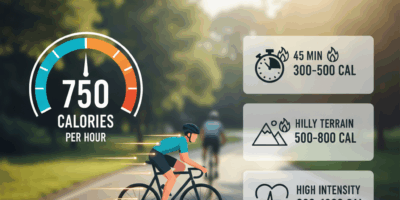
Cycling burns substantial calories. A moderately-paced hour might burn 500 calories. But exercise often increases appetite. The net effect depends on not compensating by eating more.
I’m apparently in the camp that uses cycling primarily for fitness rather than weight loss. Frustrated by expecting cycling alone to solve weight problems, I learned that diet matters more — cycling helps, but isn’t magic.
Mental Health Benefits
Endorphin release during exercise is well-documented. Outdoor riding adds nature exposure benefits. Regular cyclists report better mood, reduced anxiety, and improved stress management.
The rhythm of pedaling becomes meditative for many riders. Problems seem smaller after an hour on the bike. This effect is real, though difficult to quantify.
Practical Life Improvements
Bike commuting saves money — no fuel, parking, or gym membership needed. Time spent commuting becomes exercise time, solving the “no time for fitness” problem.
Community connections form through group rides and cycling clubs. Shared suffering builds relationships quickly.
Environmental Impact
Replacing car trips with bike trips reduces emissions directly. One less car on the road during rush hour benefits everyone. Cycling infrastructure makes cities more liveable.
The Honest Assessment
Cycling won’t solve every problem. It requires time investment. Weather sometimes makes it impractical. It’s not for everyone.
But for those who stick with it, the cumulative effects are significant. Better health, improved mood, transportation savings, community connection. The benefits compound over months and years.
Making the Call
Start riding for practical reasons — commuting, fitness, fun. Let benefits accumulate naturally. Don’t expect transformation overnight. Consistent riding over time produces genuine improvements that skeptics dismiss too quickly.