Trail bike selection has gotten overwhelming with all the suspension numbers and geometry charts flying around. As someone who’s owned and tested multiple trail bikes over the years, I learned everything there is to know about what actually matters on the trail. Today, I will share it all with you.
That’s what makes trail bikes endearing to us mountain bikers — they handle everything from climbs to descents without specializing in either extreme.
What Makes a Trail Bike
Probably should have led with this section, honestly — understanding the category prevents buying the wrong bike.
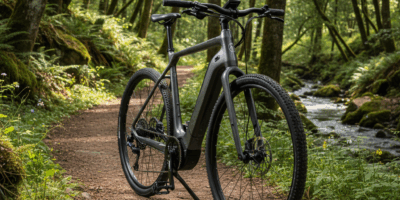
Trail bikes balance climbing efficiency with descending capability. Travel typically ranges 130-150mm. Geometry sits between cross-country and enduro. They’re the do-everything mountain bike for most riders.
Top Options
But which bikes actually deliver? In essence, proven designs from established brands consistently perform.
Santa Cruz Hightower: 29er wheels, VPP suspension, 65.5-degree head angle. Carbon frame keeps weight reasonable. Climbs efficiently, descends confidently.
Trek Fuel EX: 140mm front, 130mm rear. Mino Link adjustable geometry. ABP suspension keeps braking from affecting travel. Boost spacing adds wheel stiffness.
Specialized Stumpjumper: Iconic trail bike, 150mm front, 140mm rear. Available in alloy and carbon. SWAT door for on-frame storage. EVO version goes slacker for aggressive riding.
Suspension Considerations
I’m apparently in the camp that prioritizes suspension feel over marketing specs. Frustrated by bikes that looked great on paper but felt wrong on trail, I started test riding before buying.
Yeti SB130: Switch Infinity suspension feels buttery smooth. 29er wheels roll efficiently. Good balance of stability and agility.
Giant Trance X: Maestro suspension works reliably. Flip-chip geometry adjustment. Aluminum frame keeps price accessible.
More Options
Canyon Spectral: 160mm front, 150mm rear. Available in carbon and aluminum. Triple Phase suspension design. Power meter option for the data-obsessed.
Ibis Ripmo: 160mm front, 147mm rear. DW-Link suspension maximizes traction. 64.9-degree head angle favors stability. Climbs better than the travel suggests.
Pivot Mach 5.5: 160mm front, 140mm rear. DW-Link for efficient power transfer. Versatile geometry works on varied terrain.
Making the Call
Prioritize test rides over spec sheets. Consider what terrain you actually ride most. Match travel to your trails — don’t overbuy for terrain you’ll never see. Frame material affects weight and budget. Suspension design matters as much as travel numbers. The right trail bike makes every ride better.