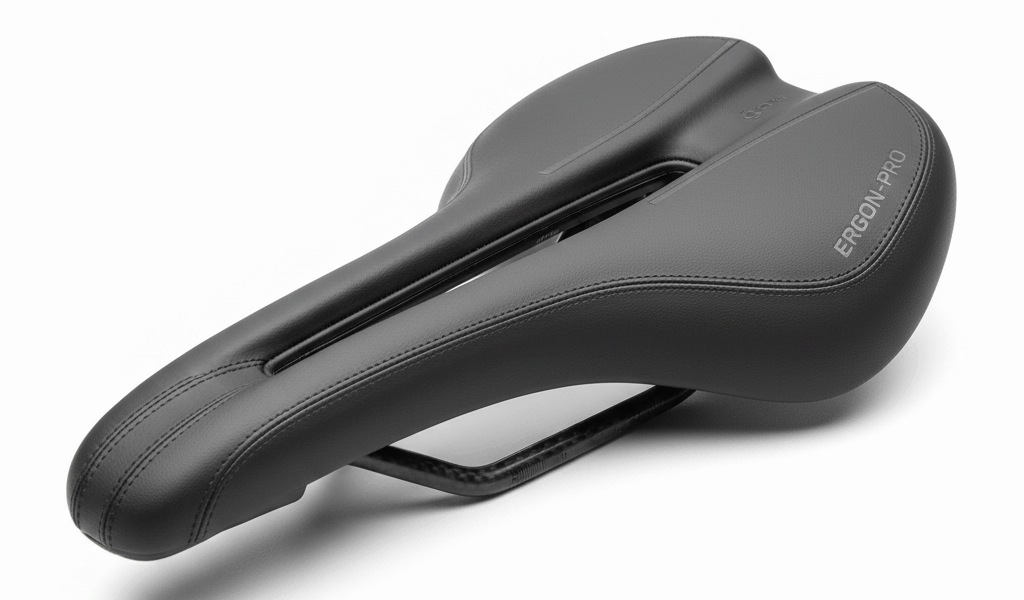
Road bike saddle selection has gotten complicated with all the pressure mapping claims and cutout designs flying around. As someone who’s tried many saddles searching for comfort on long rides, I learned everything there is to know about what actually reduces pain versus what’s marketing. Today, I will share it all with you.
That’s what makes saddle hunting endearing to us comfort-obsessed cyclists — finding the seat that disappears beneath you.
Why Saddles Are Personal
Probably should have led with this section, honestly — saddle fit is more individual than almost any other bike component.
Your sit bones have a specific width. Your riding position affects pressure distribution. Your anatomy and flexibility matter. What works for someone else may not work for you.
Key Features That Matter
But what actually affects comfort? In essence, width, shape, and cutout design. But it’s much more than that.
Width: Should match your sit bone measurement. Too narrow puts weight on soft tissue. Too wide causes chafing.
Shape: Flat saddles work for riders with flexibility. Curved saddles suit more upright positions. The right shape matches your riding style.
Cutout/Channel: Relieves pressure on perineum. Reduces numbness during long rides. Not everyone needs one, but many benefit.
Saddles Worth Trying
Selle Italia SLR Boost: Lightweight, comfortable central cutout. Good for aggressive positioning.
Fizik Antares: Wing Flex technology adapts to movement. Works well for varied positions.
Specialized Power: Short nose design for aggressive positions. Body Geometry shape promotes blood flow.
Brooks Cambium: Natural rubber and cotton construction. Different feel than traditional saddles. Some love it.
What I Actually Use
I’m apparently in the camp that needed multiple tries to find the right saddle. Frustrated by numbness on longer rides, I measured sit bones and switched to a wider saddle with a central channel. The difference was significant.
Fit Process
- Measure sit bone width (bike shops often have tools for this)
- Match saddle width to measurement
- Consider cutout if you experience numbness
- Test ride before committing if possible
- Give new saddles time — some break in over a few weeks
Making the Call
Saddle comfort requires finding the right fit for your anatomy and riding style. Expensive doesn’t always mean better for you. Width matching is the starting point. Be willing to try different options until you find what works.