Road bike tire selection has gotten complicated with all the compound variations and casing options flying around. As someone who’s ridden everything from cheap training tires to premium racing rubber, I learned everything there is to know about what actually affects your ride. Today, I will share it all with you.
That’s what makes tire choice endearing to us performance-obsessed road cyclists — the right tires transform how a bike handles and rides.
What Matters in Road Tires
Probably should have led with this section, honestly — understanding the tradeoffs helps evaluate options.
Rolling resistance: How easily the tire rolls. Lower is faster. Premium compounds reduce resistance without sacrificing grip.
Grip: How well the tire holds in corners and wet conditions. Usually trades off against durability.
Puncture protection: Built-in layers that resist flats. Adds weight but saves roadside repairs.
Comfort: Supple casings absorb road vibration. Higher TPI (threads per inch) usually means more comfort.
Tires Worth Knowing
But which specific tires work well? In essence, several options have proven themselves across thousands of riders.
Continental GP5000: The benchmark all-rounder. Excellent rolling resistance, good grip, reasonable puncture protection. Popular for good reason.
Michelin Power Road: Strong grip in varied conditions. Good wet performance. Slightly heavier but confidence-inspiring.
Vittoria Corsa: Premium feel with cotton casing. Fast and comfortable. Less puncture protection suits clean roads better.
Schwalbe Pro One: Tubeless-focused design. Low rolling resistance. Good option for tubeless setups.
Width Considerations
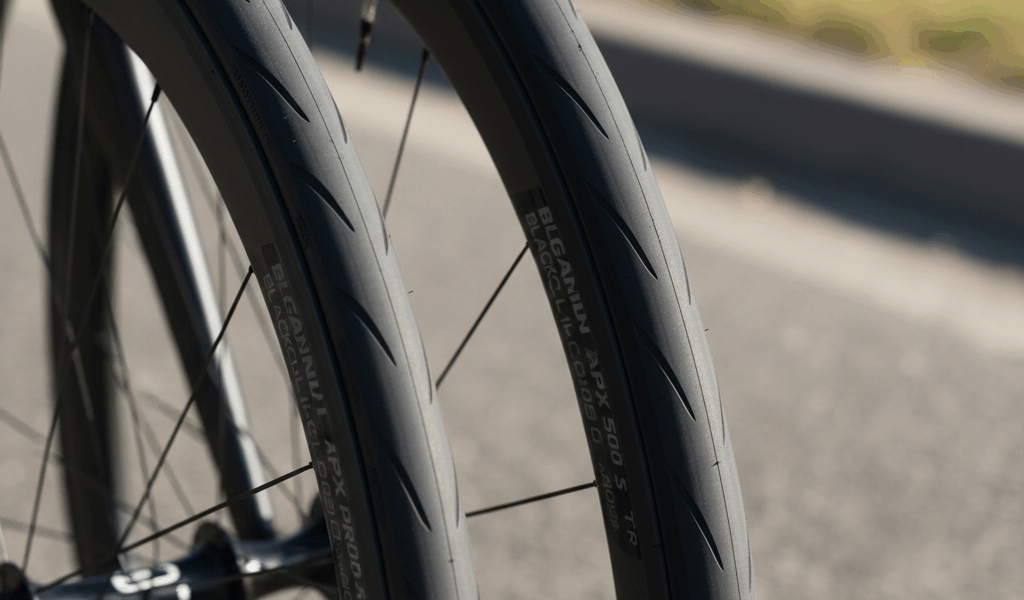
I’m apparently in the camp that went wider than traditional wisdom suggested. Frustrated by harsh ride quality on 23mm tires, I switched to 28mm. Faster and more comfortable with minimal aerodynamic penalty.
23mm: Old standard. Fast on perfect roads. Harsh on everything else.
25mm: Current popular choice. Balance of speed and comfort.
28mm: Growing in popularity. Lower pressure, more comfort, arguably faster on real roads.
TPI and Casing
Higher TPI means more threads, typically more supple ride. 120 TPI works fine. 300+ TPI feels noticeably better but costs more and may be less durable.
Tubeless Considerations
Tubeless road tires are increasingly common. Lower pressures, self-sealing small punctures. Requires compatible rims and setup effort. Worth considering for long rides and rough roads.
Making the Call
Match tire to riding conditions. Training tires with puncture protection for daily use. Race tires for events and good weather. 25-28mm width suits most riders better than 23mm. Don’t cheap out — tires are your only contact with the road. Replace when worn — grip degrades before tread disappears.