Mountain bike light reviews have gotten confusing with lumens wars and marketing hype everywhere. As someone who’s ridden countless night laps and crashed once because of inadequate lighting, I learned everything there is to know about what actually matters in the dark. Today, I will share it all with you.
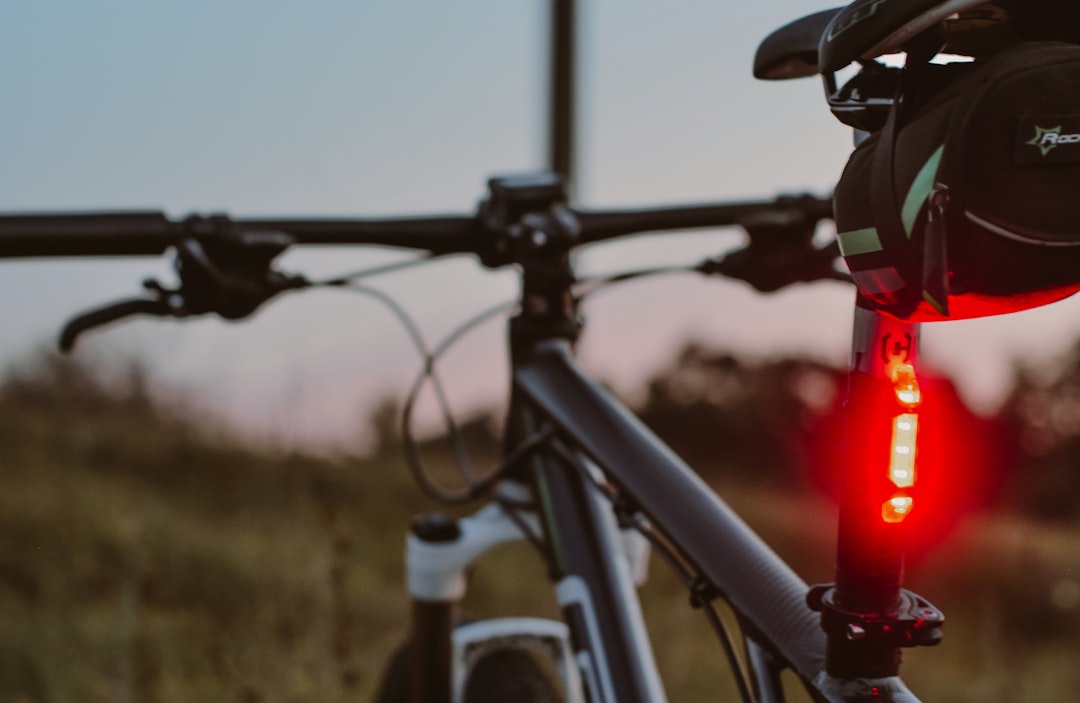
That’s what makes honest light testing endearing to us night riders — proper illumination is the difference between flowing singletrack and emergency room visits.
The Handlebar vs Helmet Question
Probably should have led with this section, honestly — mounting location matters more than most reviews mention.
Handlebar lights illuminate the trail ahead with a fixed beam. Helmet lights point where you look — crucial for technical sections where your eyes scan corners. Best setup? Both. If budget forces one choice, start with handlebar.
Lumens Reality Check
But how bright do you actually need? In essence, 1000+ lumens for trail riding, more for speed.
I’m apparently in the camp that prefers too bright over too dim. Frustrated by cheap lights that claimed high lumens but delivered weak beams, I learned that quality matters as much as output numbers. A well-designed 1000 lumen light beats a poorly designed 1500 lumen light every time.
Lights Worth Buying
NiteRider Lumina 1200: Solid all-around choice. Aluminum body, water resistant, reliable mounting. Does everything competently.
Exposure Lights MaXx-D: Expensive but genuinely excellent. 3300 lumens with smart technology that adjusts brightness automatically. Built to last.
Lezyne Lite Drive 1000XL: Budget option that actually works. Good beam pattern, decent build quality. Perfect for getting started.
Features That Matter
Battery life over raw brightness for longer rides. Runtime at actual useful output, not just the lowest mode. Secure mounting that won’t shift on rough terrain. Water resistance for inevitable weather. Easy mode switching without looking down.
Making the Call
Start with a solid 1000 lumen handlebar light. Add a helmet light once you’re hooked on night riding. Buy quality — cheap lights fail when you need them most. Keep batteries charged and carry backup for long rides. Night riding transforms familiar trails into new adventures. Worth the investment.