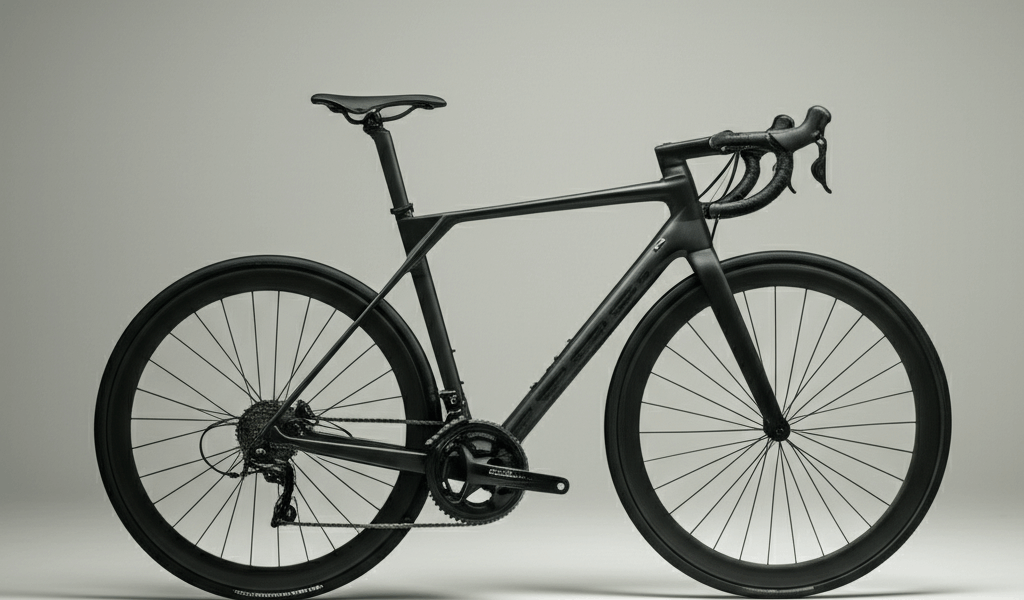
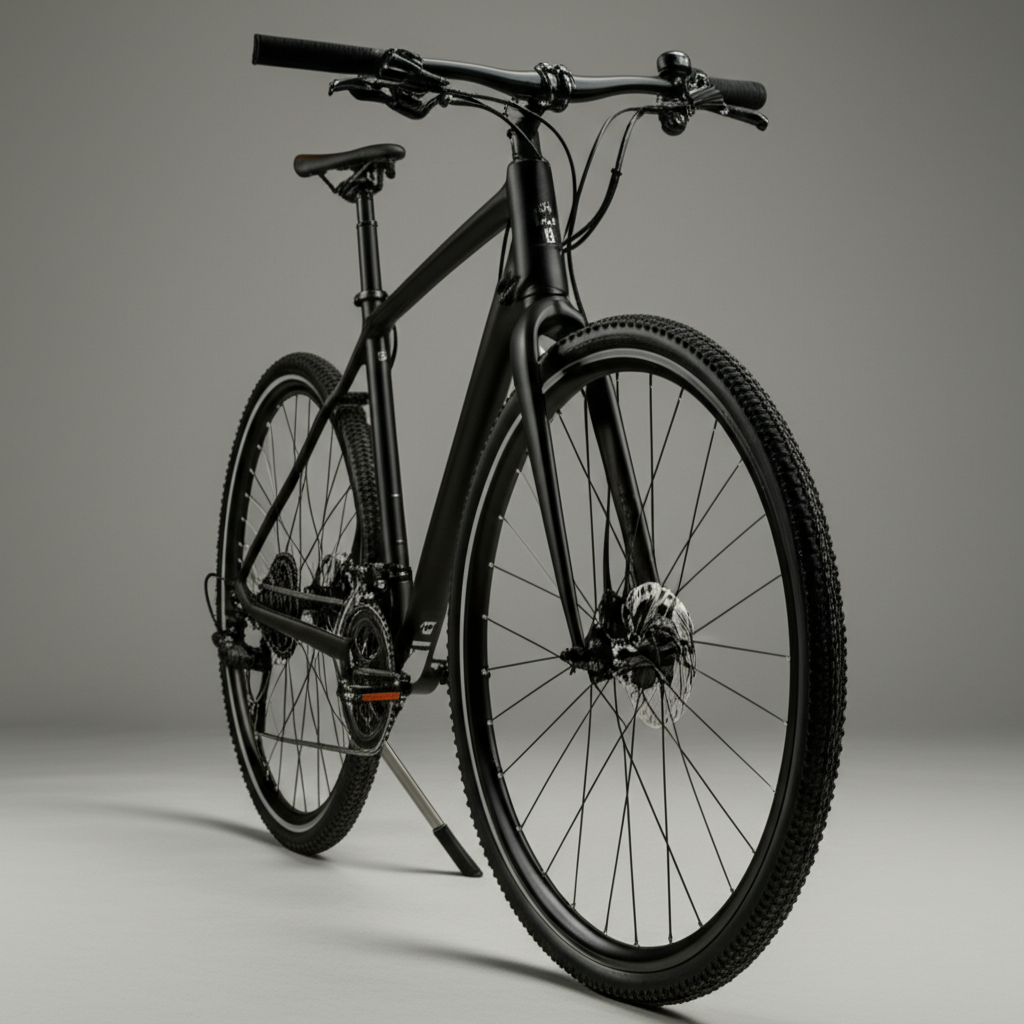
Electric road bikes have gotten good enough that serious cyclists are actually buying them now, not just commuters and casual riders. As someone who has tested bikes across the weight and power spectrum, I learned what separates the bikes that feel like road bikes with a motor from the ones that feel like heavy appliances pretending to be racers. Today, I will share it all with you.
The defining factor is integration. A good e-road bike hides the motor and battery so completely that you feel the assist in the legs, not in how the bike looks or handles. The best systems weigh under 2kg for the motor alone and don’t drag noticeably when the assist is off.
Best Electric Road Bikes
Specialized Turbo Creo SL Expert
The Creo SL is the benchmark for lightweight e-road bikes. The SL 1.1 motor weighs 1.96kg and produces 240W peak power — modest by e-bike standards, but enough for a bike that comes in around 11.5kg complete. The result climbs like a regular road bike when you want it to and provides meaningful assistance when you push the assist modes. The Range Extender battery option gives genuine extended-range capability — up to 130 miles at lower assist settings.
Best for: Serious road cyclists who want minimal intrusion on ride feel
Cannondale Synapse Neo
The Synapse Neo uses the Mahle X35+ hub motor — a rear-hub system that’s unusually light and quiet at 3.5kg for the full drive system. The Synapse geometry is designed for endurance riding, making it comfortable for long days in the saddle. Range runs 60 to 90 miles depending on assist level.
Best for: Endurance riding, riders who want a discreet hub motor setup
Orbea Gain M20i
One of the most aesthetically integrated e-road bikes available. The battery is completely internal to the down tube, the Fazua Ride 60 motor is small enough that the bike passes a casual glance as a regular road bike, and the total weight runs around 13kg. If stealth matters more than maximum assist power, this is the pick.
Trek Domane+ SLR
Uses the Fazua Ride 60 drive system in a carbon endurance frame. Trek’s IsoSpeed decoupler — the rear compliance system that makes the Domane exceptional on rough roads — is present here, giving real compliance advantages on mixed surfaces while remaining fast on smooth pavement. Around 12kg complete, 50 to 80 miles range depending on terrain.
Best for: Mixed-surface endurance riders who want premium fit and finish
Giant Road E+
The Giant uses the SyncDrive Sport motor — a Yamaha-based system that’s more powerful than the ultra-lightweight options above at 80Nm of torque. It’s genuinely helpful on steep climbs in a way the lighter systems sometimes aren’t. The tradeoff is weight: around 13.5kg, heavier than the Specialized or Trek options. Range runs 70 to 120 miles.
Best for: Riders who prioritize climbing assistance over light weight
Range Claims vs. Reality
Range claims are optimistic. A stated 100-mile range tested at eco assist on flat terrain might deliver 50 to 60 miles in hilly terrain with regular assist use. If range is critical to how you’ll actually use the bike, look for models with range extender battery options or larger stock batteries, and cut the stated range roughly in half for real-world planning.
The Price Reality
Good e-road bikes start around $3,500 and scale past $10,000 for premium carbon builds with top components. The sweet spot for most riders is $4,000 to $6,000, where you get lightweight systems, quality drivetrains, and bikes that are genuinely enjoyable to ride. Under $2,000, compromises in motor quality, weight, or component spec become significant enough to affect the riding experience.
The Creo SL is the best all-around choice for riders who prioritize ride feel and don’t need maximum motor power. The Trek Domane+ SLR is the call for rough-road endurance. The Giant Road E+ is right if climbing assistance matters more than light weight. All of them are real bikes — that’s the point.


Stay in the loop
Get the latest cycle tech trends updates delivered to your inbox.