Mountain bike flat pedals have gotten complicated with all the pin configurations and platform debates flying around. As someone who rode clips for years before switching to flats on my trail bike, I learned everything there is to know about what actually matters for grip and control. Today, I will share it all with you.
That’s what makes flat pedals endearing to us technical trail riders — the ability to dab a foot instantly when things go sideways.
Why Flat Pedals Make Sense
But what is the actual advantage of flats? In essence, you can get your feet off instantly. But it’s much more than that.
Flat pedals teach proper technique. When you’re clipped in, you can cheat — pulling up on the pedals, letting the connection compensate for bad body position. Flats force you to weight the pedals correctly. Your bike handling improves because it has to.
Frustrated by slow clip-out reflexes during my first year of mountain biking, I crashed twice because my foot was still attached when I needed it on the ground. Switching to flats eliminated that failure mode entirely.
What Actually Creates Grip
Three factors determine how well your foot stays on the pedal:
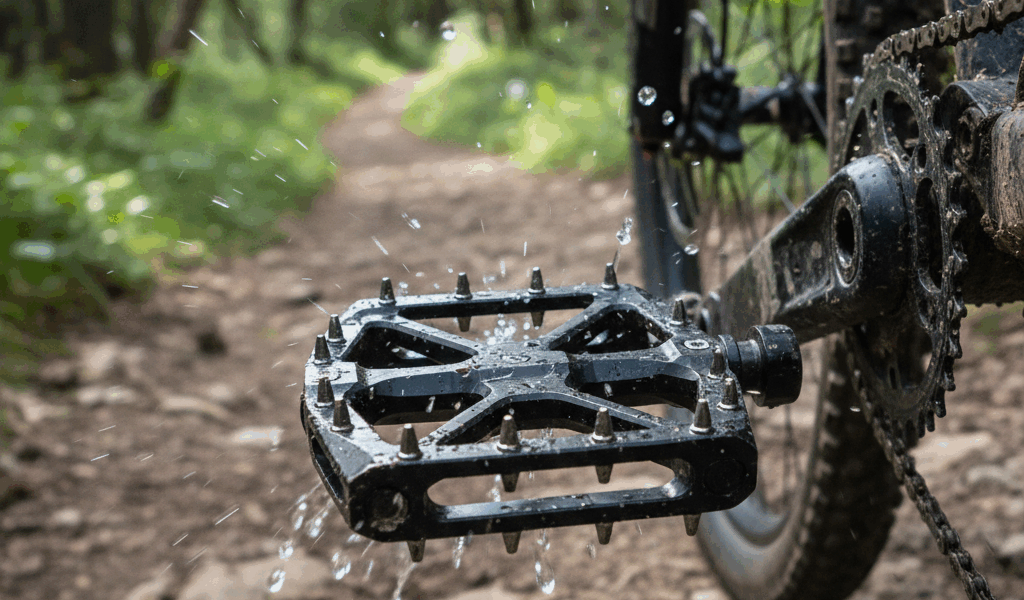
Pins: Those metal studs sticking up from the platform. They dig into your shoe sole, creating mechanical grip. More pins generally means better grip, but placement matters too. Pins clustered around the edges where your foot applies pressure work better than pins spread randomly.
Platform shape: Concave platforms (slightly cupped) cradle your foot. Flat platforms let your foot move around more. Concave works better for most riders. I’m apparently in the camp that prefers aggressive concave — less foot movement during rough sections.
Shoe compatibility: Soft rubber soles grip pins better. Stiff soles don’t conform as well. Proper flat pedal shoes make a dramatic difference compared to skate shoes or running shoes.
Platform Size
Probably should have led with this section, honestly — platform size is the most visible specification and it actually matters.
Larger platforms support more of your foot. This spreads pressure and reduces hot spots on long rides. If you wear size 12 shoes, a tiny platform will feel cramped.
The trade-off: larger platforms are heavier and more likely to clip rocks on tight trails. Most trail riders find a middle ground — platforms around 100-110mm wide.
Manufacturers sometimes offer the same pedal in two sizes. Worth checking if you have notably large or small feet.
Pedals I’ve Actually Used
- RaceFace Chester: My current pedals. Nylon composite body, replaceable pins, large platform. $50 and they work. Survived two seasons of trail abuse. The composite body doesn’t dent like aluminum when you clip rocks.
- OneUp Composite: Similar concept, slightly different pin pattern. Friends swear by these. I’ve borrowed them — grip feels equivalent to the Chesters.
- Crankbrothers Stamp: Come in two sizes. Aluminum body option available. More expensive but objectively well-made. The concave platform shape is comfortable.
Pins: Quantity and Quality
Replaceable pins matter. You will bend or break pins on rocks. Being able to replace individual pins saves buying new pedals.
Pin length affects grip versus leg shredding. Longer pins grip better but also scrape your shins worse when things go wrong. Medium-length pins balance these concerns. Some riders run longer pins on downhill days, shorter for general trail riding.
Steel pins last longer than aluminum pins. Worth checking material before purchasing.
Bearing Quality
Cheap pedals have loose bearings that develop play quickly. The platform wobbles, the pedal feels vague under your foot, grip suffers.
Quality pedals use sealed bearings or bushing systems that maintain smooth rotation for years. You can rebuild some pedal bearings; others are permanently sealed. Neither approach is definitively better — sealed keeps contamination out, rebuildable allows service.
Shoe Pairing
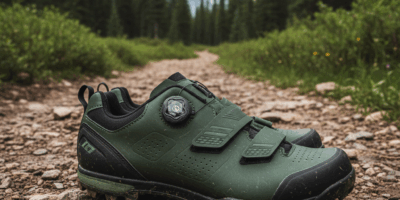
Flat pedal shoes have soft rubber soles designed to conform around pins. They make a bigger difference than most people expect.
Running shoes or skate shoes work okay for casual riding. For technical trails, proper flat pedal shoes transform the experience. Five Ten and Ride Concepts are the common choices. The rubber compound is the secret ingredient.
I rode for a year in regular shoes before trying dedicated flat pedal shoes. The grip improvement felt like cheating.
Making the Call
Start with quality composite pedals around $50-70. The RaceFace Chester or OneUp Composite are proven options. Pair them with proper flat pedal shoes.
If you want to upgrade, aluminum pedals reduce weight and increase durability. But the grip improvement over quality composites is minimal. Spend the difference on shoes instead.
Flats aren’t just for beginners. Plenty of very fast riders choose flats for the freedom they provide on technical terrain. The right choice depends on your riding style, not your skill level.