Electric bike selection has gotten complicated with all the motor types and battery claims flying around. As someone who’s owned multiple e-bikes for commuting and recreation, I learned everything there is to know about what actually delivers value. Today, I will share it all with you.

That’s what makes e-bike shopping endearing to us efficiency-obsessed cyclists — finding the right balance of assist, range, and price.
E-Bike Categories
Probably should have led with this section, honestly — matching type to use matters most.
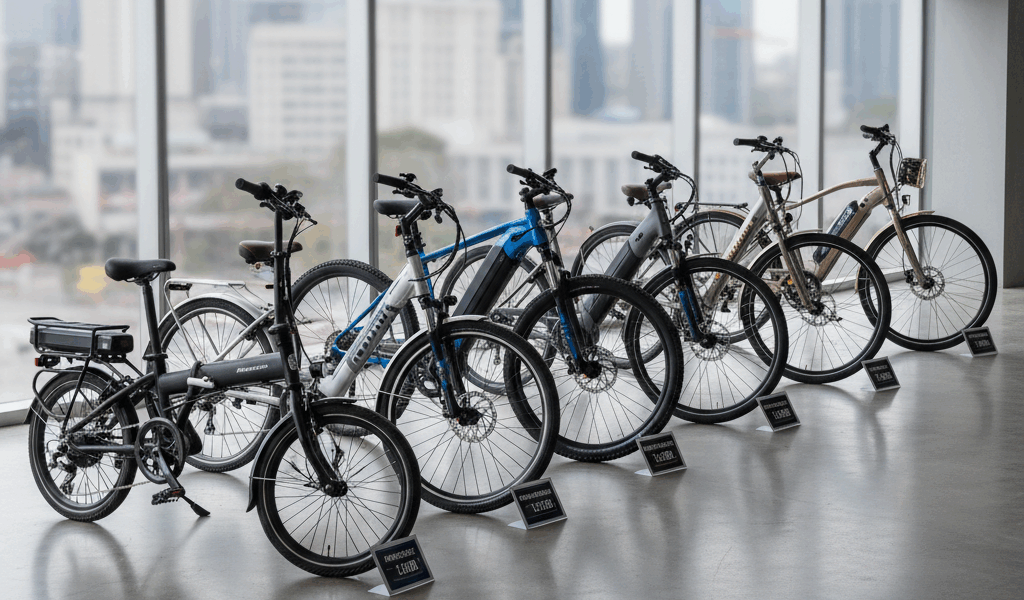
Commuter e-bikes: Practical features like lights, fenders, racks. Upright position. Built for daily use on roads.
Mountain e-bikes: Robust suspension, wide tires, powerful motors. For trail riding with assist on climbs.
Folding e-bikes: Compact storage, transit-friendly. Trade some ride quality for convenience.
Road e-bikes: Lightweight frames, drop bars, subtle assist. For long distance with less effort.
Motor and Battery Basics
But what specs actually matter? In essence, motor placement and battery capacity determine performance.
Hub motors: Located in wheels. Simpler, cheaper. Work well for flat terrain and casual use.
Mid-drive motors: Located at cranks. Better hill climbing, more natural feel. Higher cost but better performance.
Battery capacity: Measured in watt-hours (Wh). Higher number = more range. 400-500Wh covers most commutes. 600Wh+ for longer adventures.
Range Reality
I’m apparently in the camp that halves manufacturer range claims. Frustrated by running out of battery following quoted specs, I learned that real-world range depends on terrain, assist level, rider weight, and conditions.
Budget for 60-70% of claimed range in realistic conditions. Use eco modes to extend distance when needed.
Price Tiers
Entry ($500-1,500): Basic components, shorter range. Works for casual use but expect compromises.
Mid-range ($1,500-3,000): Better motors, larger batteries, quality components. Sweet spot for serious commuters.
Premium ($3,000+): Top components, advanced features, longer range. For daily riders who demand reliability.
Brands Worth Knowing
Trek and Specialized: Premium build quality, dealer support, proven designs.
Rad Power Bikes: Value-focused, direct-to-consumer, good bang for buck.
Giant: Wide selection, reliable components, competitive pricing.
Making the Call
Match type to primary use. Test ride when possible — e-bikes feel different. Budget for the quality level you need. Mid-drive motors worth the premium for hills. Consider battery replaceability for long-term value. E-bikes simplify commuting and extend riding range — invest in one you’ll actually use.