Cycling Shoes: Everything I Wish I Knew Before Buying My First Pair
The first time I clipped into pedals, I also fell over at a stop sign in front of a bunch of people waiting for a bus. Clip-in shoes have a learning curve. But once I got past the embarrassing phase, I realized how much difference good cycling shoes make.
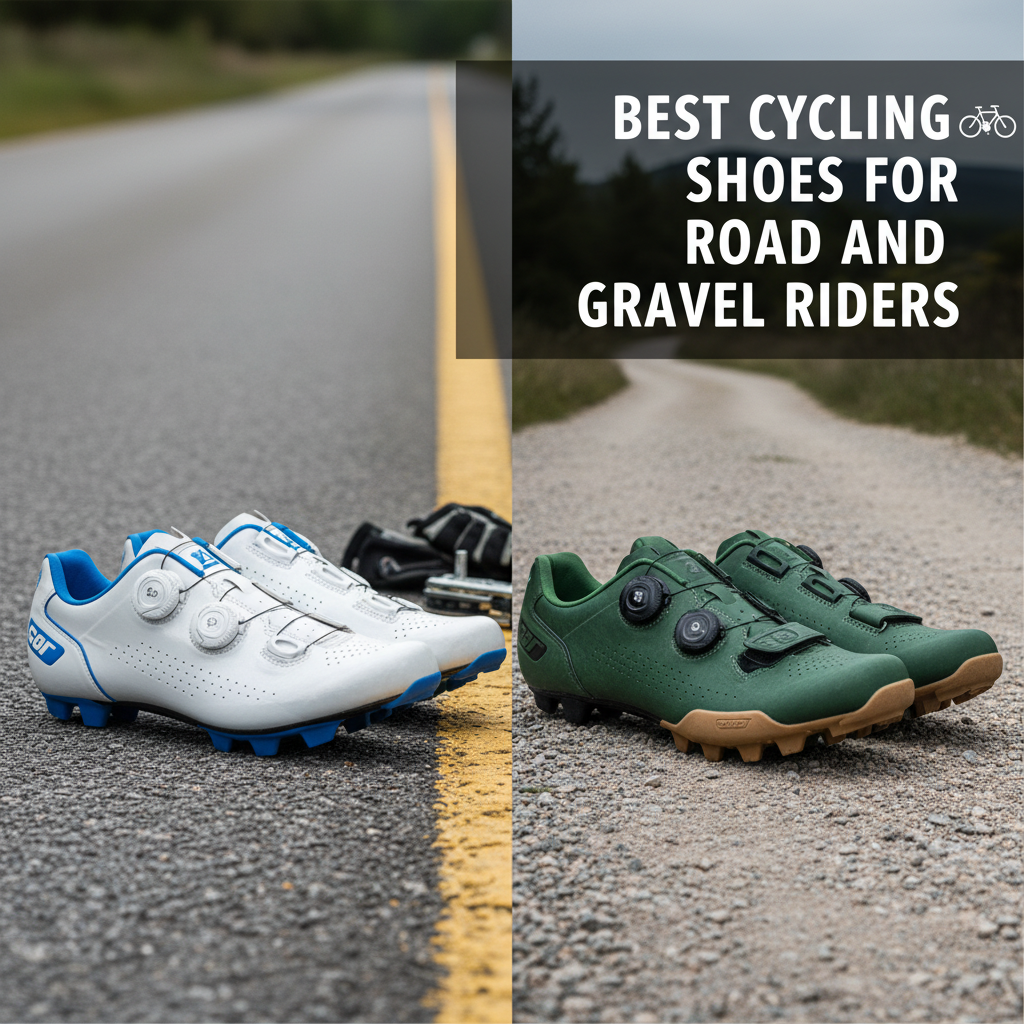
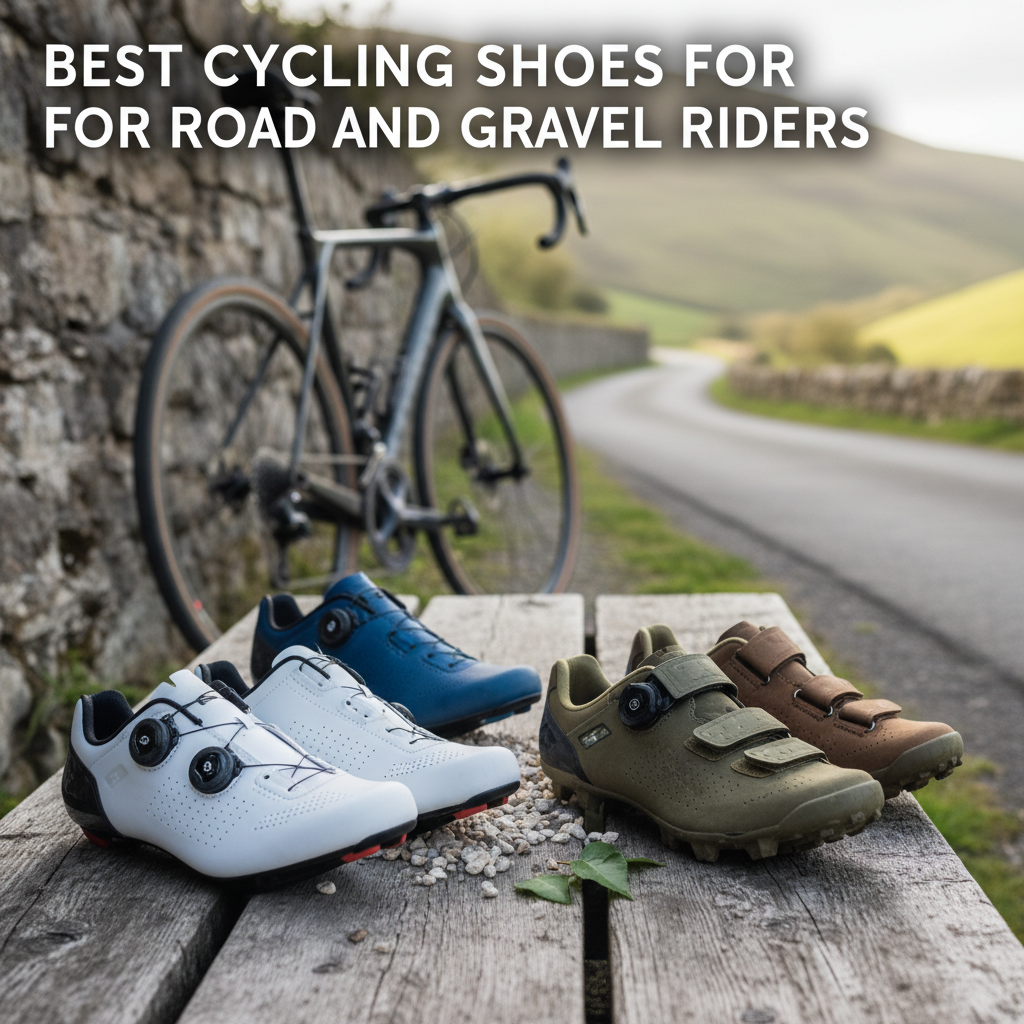
Ive been through… probably seven pairs at this point? Heres what Ive figured out.
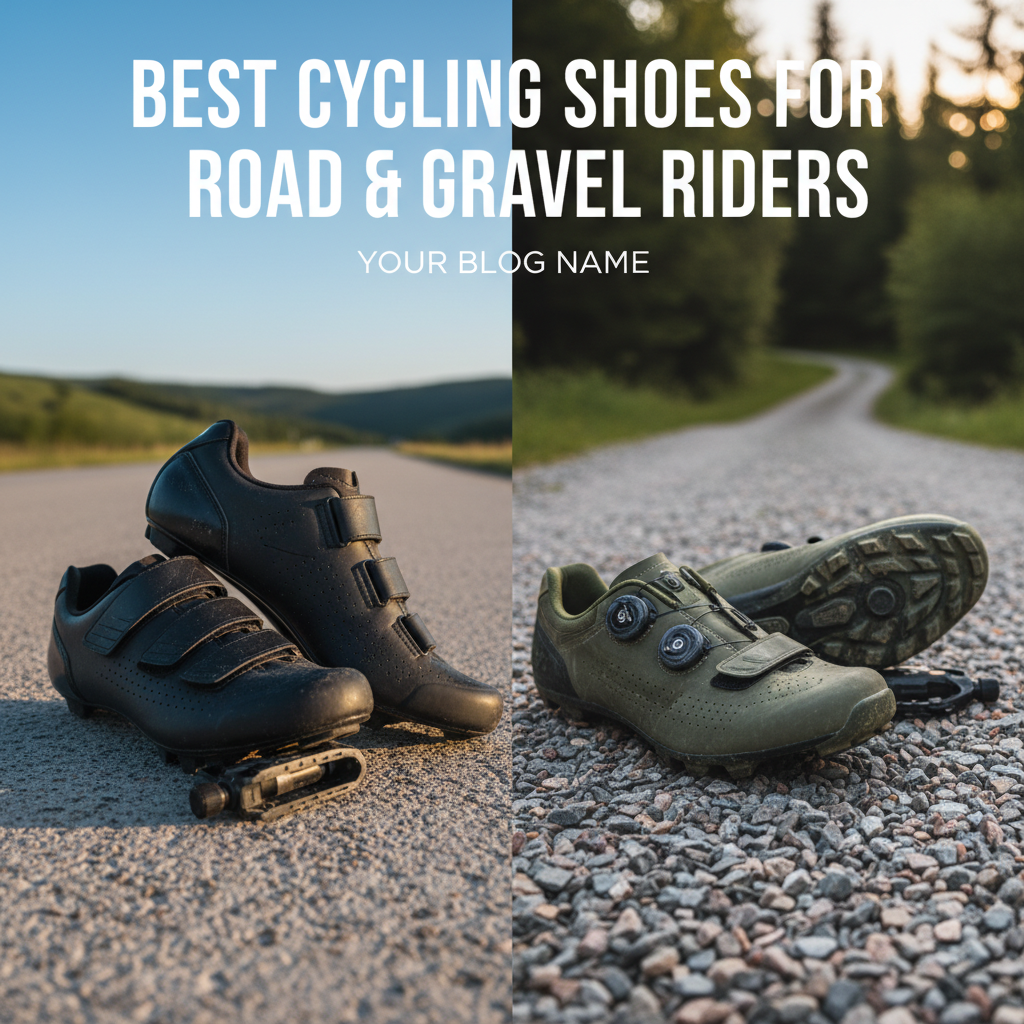
Road Shoes: When Speed Matters
Road cycling shoes are stiff, light, and designed to transfer every bit of power into the pedal. Theyre also usually terrible for walking, which I learned when I had to push my bike half a mile after flatting in shoes that felt like ice skates on pavement.
What to look for:
Sole stiffness. Stiffer means more power transfer. Carbon soles are the stiffest (and most expensive). Nylon or fiberglass composite soles work fine and cost less. I started with composite, moved to carbon, and honestly the difference is real but not life-changing unless youre racing seriously.
Closure systems. Boa dials are my favorite – you can adjust fit on the fly, even while riding. Velcro straps work too and are simpler. Regular laces look cool but arent as quick to adjust. My current shoes have two Boa dials and I cant imagine going back.
Ventilation. This matters more than I thought. My first road shoes had barely any venting and my feet would be swimming after an hour on warm days. Look for mesh panels or perforated uppers.
Shoes Ive ridden and liked:
Shimano S-Phyre – expensive but excellent. Great stiffness, comfortable fit, durable. These are my nice shoes.
Specialized Torch – more affordable, still plenty stiff. Good value pick. Wore these for two seasons before upgrading.
Giro Empire – if you like laces, these are classics. Look great, fit well, though adjusting mid-ride is trickier.
Mountain Bike Shoes: Built Different
MTB shoes need to do two things road shoes dont: walk on trails and stick to flat pedals when youre unclipped. The soles are more flexible and have actual tread.
I use clip-in shoes for trail riding, but lots of folks prefer flat pedals and sticky rubber shoes. Both work, its really preference.
The cleat is recessed into the sole on MTB shoes, which means you can actually walk without clicking like a horse on pavement. Huge advantage when you have to hike-a-bike over obstacles.
Five Ten Freeriders – the standard for flat pedal shoes. Sticky rubber that grips pedals amazingly well. Also work fine as casual shoes honestly.
Shimano XC series – what I use for clip-in trail riding. XC5 is a solid mid-range option. XC9 is the race version if you want less weight and more stiffness.
Giro Ventana – comfortable trail shoe with good walkability. Friend has these and loves them for long days.
Commuter and Casual Shoes
Sometimes you need shoes that work on the bike AND at the coffee shop. Maybe for commuting, maybe for casual rides where you might stop and walk around.
These usually have stiffer soles than regular sneakers but look more normal. Cleats are either recessed or the shoes work with flat pedals.
Chrome Industries makes some solid urban cycling shoes. Look like regular shoes, perform better on a bike.
Giro Rumble VR – SPD compatible, looks like a hiking shoe, actually works for walking significant distances. Had a pair for bike commuting when I worked in an office.
DZR makes some stylish options too if you care about looks. A bit pricey for what they are, but they dont scream cyclist.
Indoor/Spin Shoes
If you do indoor cycling – whether its Peloton, spin classes, or just a trainer in your garage – dedicated shoes make sense. Same benefits as outdoor shoes: stiffer soles, proper cleat interface, better power transfer.
Most spin bikes use either SPD (two-bolt) or Delta/Look (three-bolt) cleats. Check what your bike or gym uses before buying.
Indoor shoes often have more mesh and less weatherproofing since you dont need water resistance. Some are specifically designed for quick on/off with single strap closures.
Triathlon Shoes: Speed Changes
Tri shoes are weird specialized things designed for fast transitions. Big pull loops on the heels so you can get them on quickly. Usually single strap closure. Some people leave them clipped to the pedals and slip their feet in while already riding.
Unless youre doing triathlons, you dont need these. But if you are, the transition time savings are real.
Fit Matters More Than Brand
Honestly, the most important thing Ive learned is that fit trumps everything. An expensive shoe that doesnt fit your foot will be worse than a cheaper shoe that does.
Everyones feet are different. I have wide feet, so I gravitate toward brands that offer wider options (Shimano and Lake have been good for me). Others have narrow feet and need different brands.
Try shoes on in the afternoon when feet are slightly swollen – closer to how theyll be on a long ride. Stand on your toes to simulate the cycling position. Check for hot spots or pressure points.
Your heel should be locked in place without slipping. The toe box should have room to wiggle but not swim around. The arch support should match your foot.
Cleat Compatibility Basics
Quick primer since this confused me at first:
Three-bolt (Look, Shimano SPD-SL, Time): Standard for road cycling. Bigger cleat platform, more power transfer, harder to walk in.
Two-bolt (SPD, Crankbrothers, Time ATAC): Standard for mountain biking and casual riding. Smaller cleat, easier to walk, recessed into the sole.
Your shoes need to match your pedal system. Cant put road cleats on mountain bike shoes. Some shoes offer both mounting options but thats rare.
Breaking Them In
New cycling shoes can feel weird at first. The stiffness takes adjustment. I always do a few shorter rides before any long adventure in new shoes.
Hot spots or numbness during break-in might just need some adjusting – different socks, adjusted closure tension, maybe cleat position tweaks. Persistent problems might mean the shoe isnt right for your foot.
Also, socks – cotton kills. Use cycling-specific socks or at least synthetic athletic socks. Moisture wicking matters.
What I Actually Wear
Road: Shimano S-Phyre RC9 for serious rides, older Specialized Torch for everyday stuff.
Mountain: Shimano XC7, work great for everything from XC to mellow trails.
Commuting: Chrome Industries Kursk when I need to look presentable, Five Ten Freeriders when I dont care.
This might be more shoes than you need. Plenty of people do everything with one or two pairs. But if you ride different styles, different shoes make sense.
Whatever you choose, make sure they fit, make sure theyre compatible with your pedals, and spend a bit more than the absolute cheapest option. Your feet will thank you around mile 50 when theyre not cramping or numb.