Trail bikes have gotten complicated with all the suspension travel numbers and geometry debates flying around. As someone who’s owned three different trail bikes over eight years, I learned everything there is to know about what makes this category work for most riders. Today, I will share it all with you.
That’s what makes trail bikes endearing to us all-around riders — one bike that actually handles both climbs and descents reasonably well.
What Makes a Trail Bike
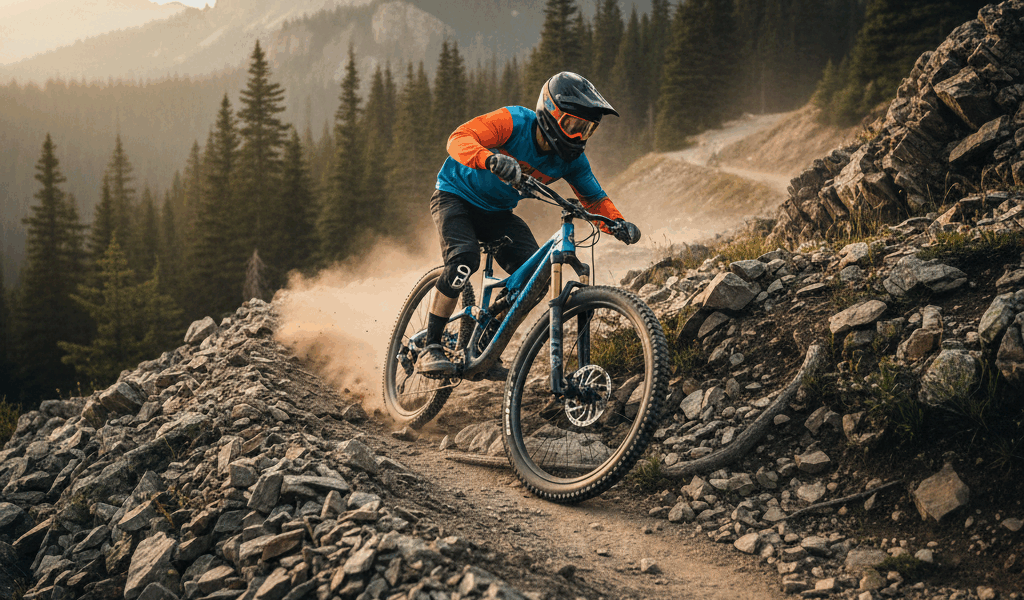
But what is a trail bike? In essence, it’s a full-suspension mountain bike with moderate travel designed for varied terrain. But it’s much more than that.
The category sits between cross-country bikes (efficient climbers, less capable descenders) and enduro bikes (descending machines, harder to pedal uphill). Trail bikes try to do both reasonably well. They’re the Swiss Army knife of mountain biking.
Typical trail bikes run 120-150mm of suspension travel front and rear. Geometry balances stability at speed with nimble handling in tight terrain. You can climb all day and still attack the descent.
Why Trail Bikes Make Sense
Probably should have led with this section, honestly — if you only own one mountain bike, it should probably be a trail bike.
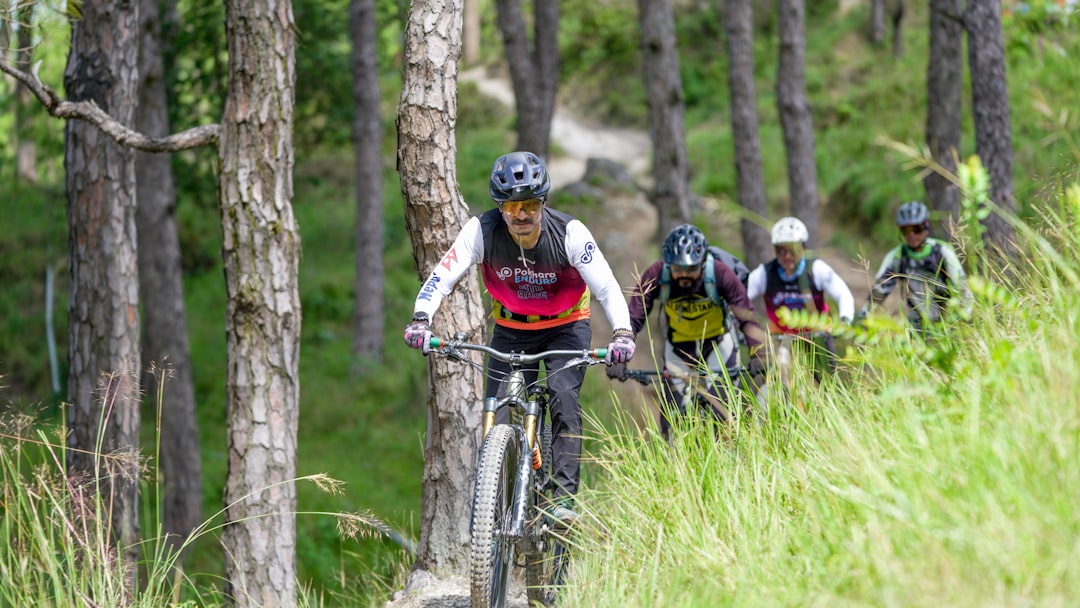
Most riding involves a mix of climbing and descending. Shuttle access and bike park riding favor dedicated downhill bikes. XC racing favors lightweight efficiency. But for normal trail riding where you pedal up and ride down? Trail bikes handle the full loop.
Frustrated by my hardtail’s limitations on technical descents, I bought my first trail bike in 2017. The transformation was immediate — features I walked before became rideable. Confidence increased. Fun increased.
Bikes Worth Considering
I’ve ridden or owned versions of these and can speak to their character:
Trek Fuel EX: The vanilla choice — in the best way. Does nothing wrong. The adjustable geometry via Mino Link lets you tune the feel slightly. My current bike.
Santa Cruz Hightower: VPP suspension feels plush and controlled. The 29-inch wheels roll over everything. Premium price reflects the brand cachet and California manufacturing.
Specialized Stumpjumper: Decades of refinement show in the complete package. SWAT storage in the downtube is genuinely useful for carrying tools. Multiple build levels fit different budgets.
Giant Trance X: Excellent value from a huge manufacturer. Maestro suspension is proven technology. Often priced below competitors with similar specs.
Yeti SB130: Premium everything. Switch Infinity suspension is unique and effective. The Yeti tribe is devoted for good reason, though you’ll pay for admission.
Wheel Size
29-inch wheels dominate the trail category now. They roll over obstacles more easily and maintain momentum better. Most riders find 29ers more capable on varied terrain.
27.5-inch wheels are lighter and more maneuverable in tight spaces. Some shorter riders prefer 27.5 for proportional fit. Mullet builds (29 front, 27.5 rear) attempt to combine both advantages.
I’m apparently in the 29er camp — my legs appreciate the rollover capability on rocky sections while the handling difference rarely matters on trails I ride.
What Actually Matters
- Fit: A trail bike that fits your body handles better than a “better” bike that’s the wrong size. Get proper sizing before purchasing.
- Suspension setup: Sag, rebound, compression — take time to dial these in. The same bike feels completely different with proper versus neglected suspension settings.
- Tire choice: The rubber meeting dirt affects grip more than suspension linkage designs. Budget for quality tires.
Maintenance Reality
Full-suspension bikes require more maintenance than hardtails. Pivots need inspection. Bearings wear. Suspension needs servicing. Factor this into your ownership expectations.
I service my fork and shock annually, either myself or at a shop. Pivot bearings get checked during that same visit. It’s not excessive work, but it’s not zero maintenance either.
Making the Call
If you’re ready for full suspension and want one bike that handles diverse trails, the trail category delivers. The options above represent proven platforms — any would serve most riders well.
Test ride if possible. Geometry numbers on paper matter less than how the bike feels under you on actual terrain. The “best” trail bike is the one that makes you want to ride more often.