James Lowsley-Williams: A Cyclist Who Does Things His Own Way
I first heard about James Lowsley-Williams, or Hank as everyone seems to call him, during a rainy evening at a pub near a finish line somewhere in the UK. A few local riders were debating who had the best kick sprint on the domestic circuit, and his name kept coming up. That was maybe 5 years ago now, and I have been following his career on and off ever since.
The Early Days
Born September 3, 1992, somewhere in the UK (the internet is fuzzy on exactly where, and honestly it does not matter much). What I find interesting about James is that he did not come from one of those families where everyone is already professional athletes. His path was more… normal, I guess? Which actually makes it more relatable for those of us who got into cycling later than the kids who were racing at age 8.
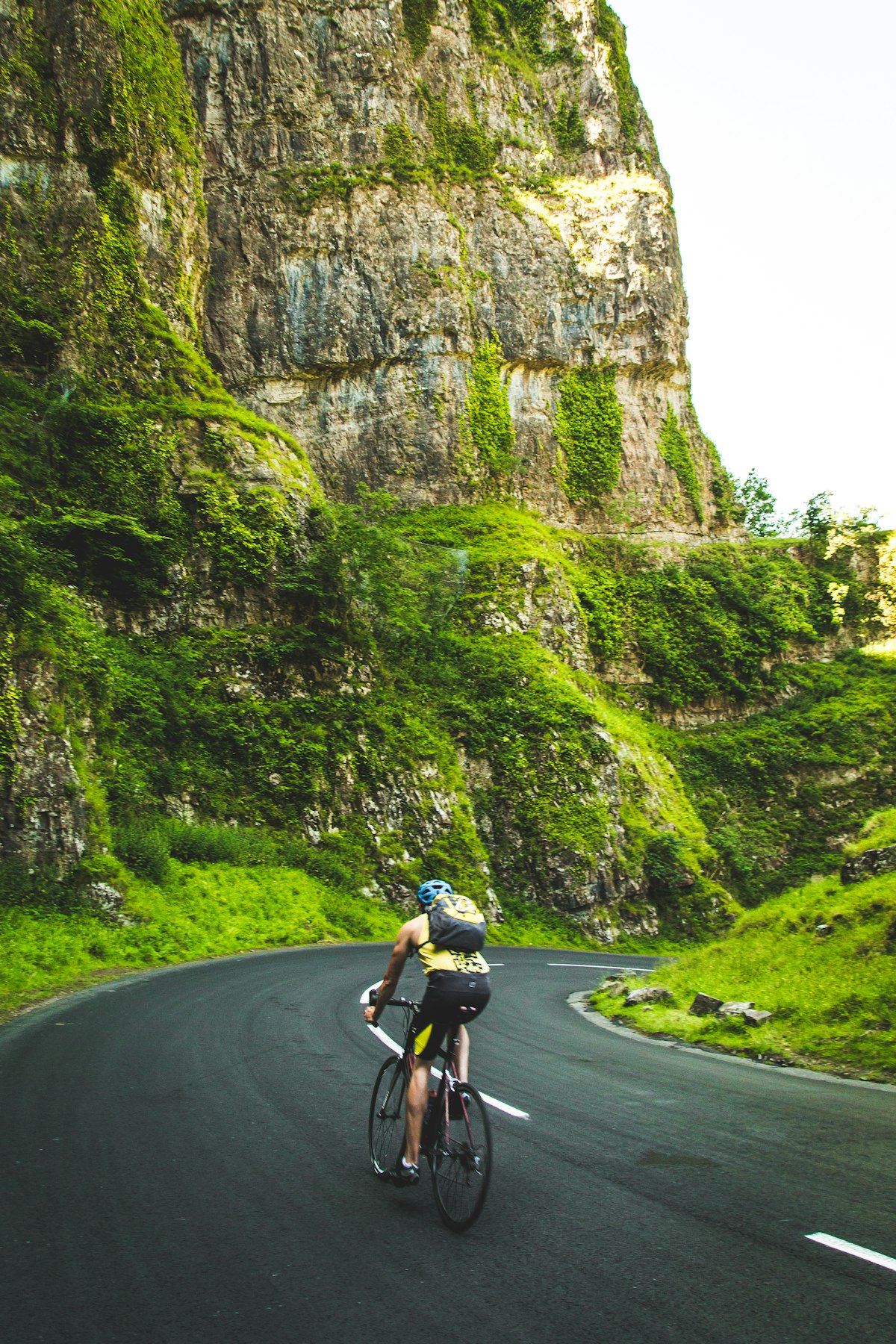
He apparently spent a lot of time riding around the English countryside as a teenager. Can not blame him. If I had those roads in my backyard, I would have too. Some of the lanes there are absolutely gorgeous – narrow, hedge-lined, and perfect for building an engine without even realizing you are training.
Going Pro Was Not Instant
Here is what I respect about his story: he worked his way up through the amateur ranks the hard way. Local clubs, regional races, learning how to read a peloton, making all the stupid mistakes we all make. There was no magic shortcut, no daddy with connections in the sport. Just riding his bike a lot and slowly getting faster.
I wish more stories about pro cyclists acknowledged this part. The grind before anyone knows your name is usually years long and full of setbacks. The fact that he eventually caught the eye of bigger teams tells you he was doing something right, even when nobody was watching.
The Team INEOS Chapter
Getting signed by Team INEOS (back when it was still called Sky) was obviously a huge deal. Say what you want about that team – and plenty of people have opinions – but their training programs are no joke. The riders who come through that system learn what real professional cycling looks like.
I do not know all the details of his time there, but the reports suggest he was more of a domestique than a leader. Which, by the way, is an incredibly valuable role that casual fans do not appreciate enough. Someone has to chase down breaks, shield the GC leader from wind, and fetch water bottles at 50kph. That someone was often guys like James.
What He Actually Achieved
Look, I am not going to pretend he won the Tour de France or anything. But he racked up results that any amateur cyclist would kill for:
- Raced in UCI World Tour events – that is the absolute top level of the sport
- Won stages in multi-day tours
- Consistently placed well in national and international races
The thing about professional cycling is that just finishing a WorldTour race puts you in an elite group. The speeds, the distance, the suffering – most people could not do it even once. Doing it repeatedly, year after year, takes a kind of mental toughness that does not show up in palmares.
Training Like a Pro
From what I have gathered from various interviews and social media posts, his training approach is fairly typical for a pro cyclist:
- High-intensity intervals for explosive power
- Lots of zone 2 base miles
- Strength work to stay durable
- Actual road riding to practice tactics and bike handling
Nothing revolutionary there, but that is kind of the point. At the pro level, everyone is training hard. The difference comes down to consistency, recovery, and not getting injured or sick at the wrong times.
Diet and Nutrition
Pro cyclists are weird about food. They have to be. You can not ride 4-6 hours a day on junk fuel. Based on what I have seen him mention, the typical approach applies: lots of carbs around training, protein for recovery, and probably way more food than any normal person should eat.
I always find it funny when non-cyclists see what a pro eats during a stage race. Like, a 5,000+ calorie day is normal when you are burning 3,000 just on the bike. Pasta for breakfast, rice cakes during the ride, more pasta at dinner. Rinse and repeat.
The Tech Side
Modern cycling is drowning in data, and pros are at the front of that wave. Power meters, GPS computers, heart rate monitors, sometimes even glucose monitors – they track everything. James apparently uses the standard suite of gadgets that the team provides.
Honestly, I think the data can be helpful but also overwhelming. When I see amateurs obsessing over their power zones and FTP tests, I wonder if they are missing the forest for the trees. Just ride your bike more. That works too.
Giving Back to the Community
One thing I appreciate about James is that he seems genuinely engaged with the cycling community beyond just racing. He posts regularly on social media, shares training tips, and apparently does some coaching or mentoring on the side. That matters. Too many pros disappear into their training camps and only emerge for races.
The sport grows when current pros make it feel accessible. When some kid watches a WorldTour rider and thinks maybe I could do that someday instead of those guys are basically aliens, that is a win for everyone.
What Is Next
Hard to say what the future holds for any professional cyclist. The sport chews people up. Injuries happen. Contracts end. Teams fold. But James seems to have the attitude and work ethic to keep going as long as his legs cooperate.
And if the racing career winds down eventually? Well, there are worse second acts than coaching, team management, or just being a normal person who used to race bikes at the highest level. Not everyone needs to become a TV commentator.
Recommended Cycling Gear
Garmin Edge 1040 GPS Bike Computer – $549.00
Premium GPS with advanced navigation.
Park Tool Bicycle Repair Stand – $259.95
Professional-grade home mechanic stand.
As an Amazon Associate, we earn from qualifying purchases.