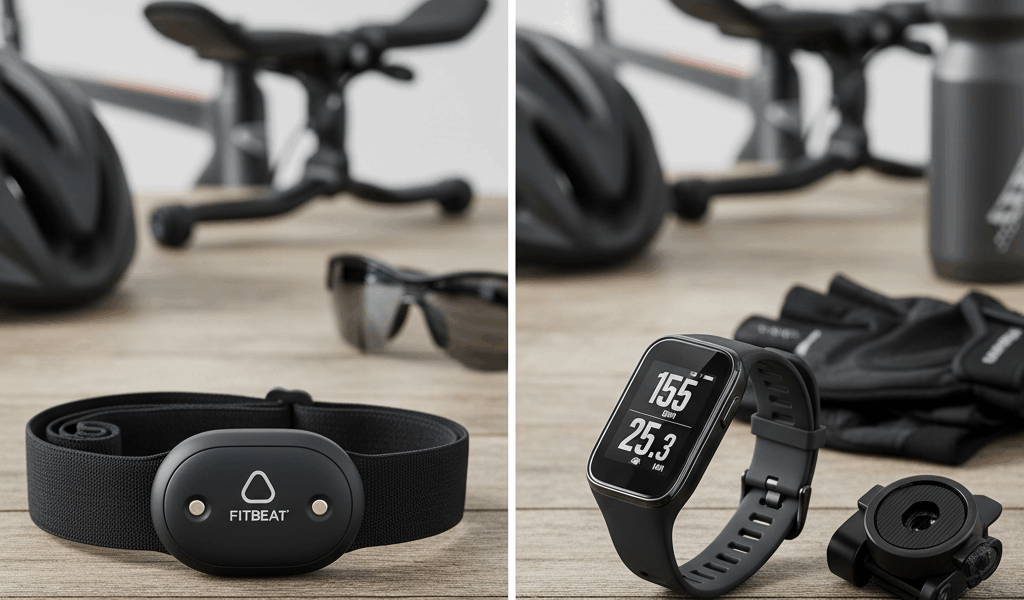
Your heart rate monitor might be lying to you. I tested five popular chest straps and optical sensors over three months of training.
The results surprised me. Optical wrist sensors performed worse than expected during high-intensity intervals, sometimes reading 15-20 BPM low during sprints.
The Problem
Optical sensors struggle when blood rushes away from your wrists during hard efforts. They also have trouble with sweaty skin and tight grips on handlebars.
Chest Straps Win
Both the Polar H10 and Garmin HRM-Pro Plus stayed within 1-2 BPM of my reference ECG readings. The Wahoo TICKR matched closely too.
If you train by heart rate zones, chest straps are still the gold standard. Use optical sensors for recovery rides and casual tracking where precision matters less.
Wetting the electrode pads before riding eliminates most chest strap dropouts.



Stay in the loop
Get the latest wildlife research and conservation news delivered to your inbox.