Electric bike selection has gotten overwhelming with all the motor types and range claims flying around. As someone who’s owned and tested multiple e-bikes for commuting and recreation, I learned everything there is to know about what actually delivers value. Today, I will share it all with you.
That’s what makes e-bikes endearing to us practical cyclists — they remove barriers and make cycling accessible to more people.
E-Bike Types
Probably should have led with this section, honestly — matching type to use matters most.
City/Commuter: Built for urban use with fenders, racks, and lights. Upright position for visibility.
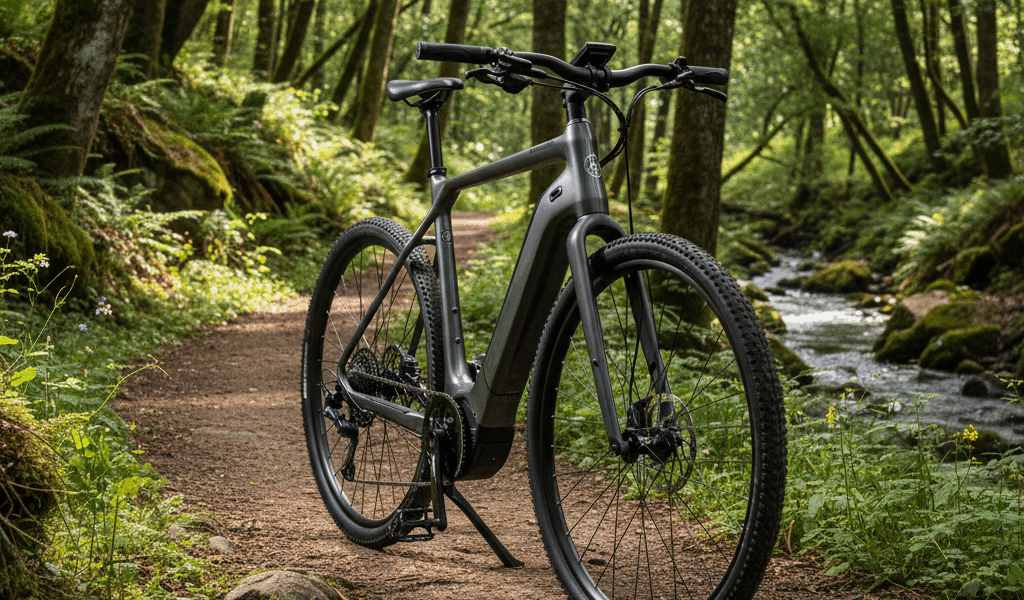
Mountain: Durable frames, powerful motors for off-road. Handle rough terrain with assist on climbs.
Folding: Compact for transit or storage. Trade some ride quality for convenience.
Hybrid: Mix of road and mountain features. Versatile for varied terrain.
How They Work
But what’s actually happening mechanically? In essence, a motor assists your pedaling powered by rechargeable battery. Most use pedal assist — motor kicks in when you pedal. Some include throttle for power without pedaling.
Battery Reality
I’m apparently in the camp that halves manufacturer range claims. Frustrated by running out of battery following quoted specs, I learned that terrain, rider weight, assist level, and conditions all affect real-world range significantly.
Battery capacity in watt-hours (Wh) determines range. Higher number means more distance. 400-500Wh covers most commutes. Budget for 60-70% of claimed range in realistic conditions.
Pedal Assist Levels
Multiple assist levels let you choose how much help you want. Low assist conserves battery. High assist provides more power but drains faster. Switch based on need — use eco for longer trips.
Legal Classifications
Class 1: Pedal assist only, 20 mph max.
Class 2: Pedal assist plus throttle, 20 mph max.
Class 3: Pedal assist only, 28 mph max.
Check local laws — some areas restrict certain classes on trails or paths.
Maintenance
Similar to regular bikes plus battery care. Keep chain clean. Store battery in cool, dry place. Charge regularly even during off-seasons. Check tire pressure. Regular maintenance extends life.
Benefits
Faster commutes navigating traffic. Health benefits from physical activity. Lower costs than cars or transit over time. Reduced carbon footprint. More accessible cycling for varied fitness levels.
Cost Considerations
Entry-level models run few hundred to low thousands. High-end exceeds several thousand. Budget includes not just purchase but maintenance and eventual battery replacement. Reputable dealers offer warranties and support.
Making the Call
Match type to your primary use. Test ride before buying — e-bikes feel different than acoustic bikes. Consider battery capacity for your typical distances. Check local regulations for your intended riding areas. E-bikes remove barriers to cycling — invest in one you’ll actually use consistently.
Recommended Cycling Gear
Garmin Edge 1040 GPS Bike Computer – $549.00
Premium GPS with advanced navigation.
Park Tool Bicycle Repair Stand – $259.95
Professional-grade home mechanic stand.
As an Amazon Associate, we earn from qualifying purchases.