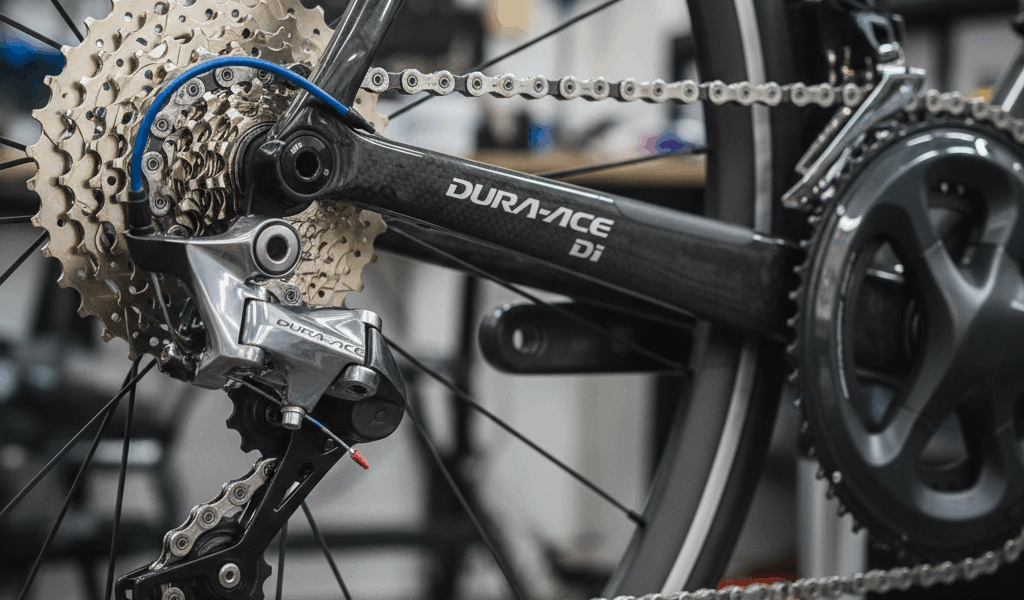
Electronic vs mechanical shifting debates have gotten intense in every bike shop and forum. As someone who’s run both systems extensively over the past five years, I learned everything there is to know about the real differences that matter. Today, I will share it all with you.
That’s what makes honest drivetrain comparison endearing to us gear-obsessed cyclists — the right choice depends entirely on how you ride and what you value.
How They Actually Work
Probably should have led with this section, honestly — understanding the mechanism matters.
Mechanical shifting: cables connect your levers to derailleurs. Press the lever, cable tension changes, derailleur moves. Simple, proven, 100+ years refined.
Electronic shifting: motors in the derailleurs do the moving. Press a button, signal sent, motor executes. Batteries required. Precision guaranteed.
Shift Quality Differences
But what’s the actual riding experience? In essence, electronic wins on consistency.
Electronic systems shift in 100-150 milliseconds with identical precision every single time. Doesn’t matter if you’re grinding up a 15% grade or soft-pedaling on the flats. Same crisp shift.
Mechanical depends on your technique and conditions. Fresh cables on a clean day? Nearly as good. Stretched cables in the rain under full power? Noticeably worse.
The Load Question
I’m apparently in the camp that notices shifting quality mid-climb. Frustrated by mechanical systems bogging down when I’m already suffering, I switched to electronic and the difference was immediate.
Motors don’t care how hard you’re pedaling. They provide consistent force regardless. Mechanical requires you to ease off slightly for clean shifts under load.
Current Systems
Shimano Di2: Semi-wireless. Central battery lasts forever. Synchro Shift auto-adjusts both derailleurs. Proven reliable.
SRAM AXS: Fully wireless. Individual component batteries. Extensive customization via app. Road and mountain components cross-compatible.
Campagnolo EPS: Wired but refined. Unique thumb shifter ergonomics. Lower market share means fewer mechanics know it.
Mechanical options: Shimano 105, SRAM Rival, Campagnolo Chorus. All excellent. Significantly cheaper than electronic.
Reliability Reality
Electronic concerns: batteries die (though warnings give advance notice), electronics can corrode, crash damage is expensive.
Mechanical concerns: cables stretch and fray, regular adjustment needed, wet conditions accelerate wear.
Both work reliably when maintained. Neither is maintenance-free.
Making the Call
Electronic shifting costs significantly more but delivers consistent perfection. Mechanical costs less, works great when properly maintained, and any bike shop can fix it. If you race or value that perfect shift every time, electronic justifies the premium. If you wrench your own bike and don’t mind occasional adjustment, mechanical does everything you need. Neither choice is wrong — they’re just different tools for different priorities.



Stay in the loop
Get the latest wildlife research and conservation news delivered to your inbox.