E-bike motor technology has gotten confusing with all the specs and marketing claims flying around. As someone who’s ridden both hub and mid-drive systems extensively, I learned everything there is to know about what actually matters for performance. Today, I will share it all with you.
That’s what makes understanding e-bike tech endearing to us informed buyers — knowing the difference between a $2000 and $5000 e-bike often comes down to the motor system.
Hub Motors vs Mid-Drive
Probably should have led with this section, honestly — this choice affects everything else about how your e-bike rides.
Hub motors sit in the wheel. Spin the motor, spin the wheel. Simple, reliable, cheaper. Rear hub motors work best — front ones create weird handling in wet conditions that I learned the hard way to avoid.
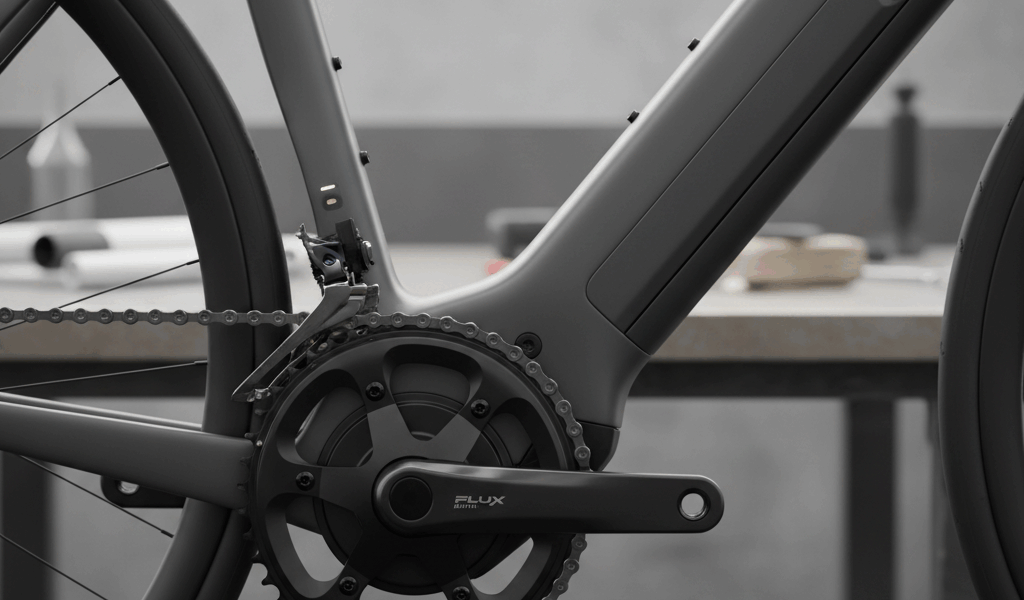
I’m apparently in the camp that prefers mid-drive motors for serious riding. Frustrated by hub motors struggling on hills regardless of what gear I used, I switched to a Bosch-powered bike and immediately understood why people pay more. Mid-drives use your gears, so climbing becomes dramatically easier.
Motor Brands That Matter
But what about all these motor manufacturers? In essence, a few names dominate quality e-bikes.
Bosch: The benchmark. Performance Line CX delivers 85Nm torque with dealer support everywhere. Their Smart System adds app connectivity that actually works.
Shimano: STEPS motors feel more natural to experienced cyclists. The EP8 matches Bosch torque in a lighter package.
Brose: Whisper quiet. Specialized uses these for good reason.
Fazua: Removable systems under 5 pounds. Take the motor out and you have a normal bike. Clever for road and gravel riders who don’t always want assistance.
Battery Reality Check
Watt-hours matter more than marketing. A 500Wh battery gives roughly 40-60 miles moderate assist on flat ground. Hills, wind, cold weather, and high assist levels cut that significantly.
I learned to add 20% to whatever range I think I need. Batteries degrade over time, and getting stranded with dead assist teaches humility quickly.
Caring For Your Battery
Don’t drain it empty. Don’t store it fully charged. Room temperature charging works best. These simple habits determine whether your battery lasts 5 years or 10.
Cold weather drops capacity immediately — expect 20% less range below freezing. Store batteries indoors during winter.
Power and Torque Numbers
Wattage tells you sustained output. Torque tells you pulling force — more important for hills and acceleration.
40-50 Nm handles flat commuting. 60-75 Nm covers mixed terrain. 80-90 Nm climbs seriously steep grades. Mountain and cargo e-bikes need the higher end.
Class Systems Explained
Class 1 means pedal-assist to 20mph — allowed on most bike paths. Class 2 adds throttle. Class 3 assists to 28mph but restricts where you can ride. European e-bikes cap at 15.5mph regardless.
Making the Call
Hub motors make sense for casual commuting and tight budgets. Mid-drives justify higher cost for hills, off-road, or serious distance. Buy slightly more battery than you think you need — your future self dealing with cold weather and degradation will thank you.


Stay in the loop
Get the latest wildlife research and conservation news delivered to your inbox.