My Journey Into Gravel Biking (And Why I Cant Shut Up About It)
Look, Ill be honest with you – three years ago, I thought gravel bikes were just a marketing gimmick. “Just get a road bike or a mountain bike,” Id tell anyone who asked. Boy, was I wrong.
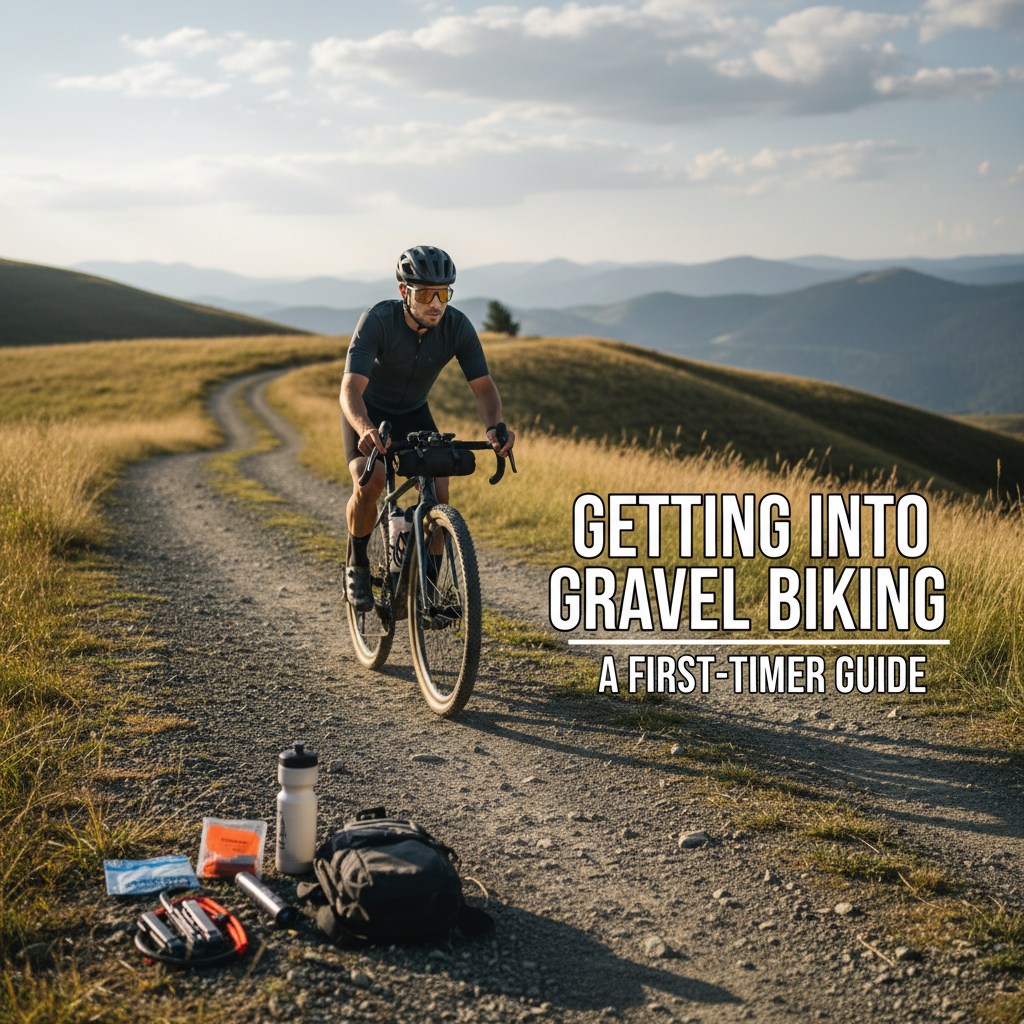
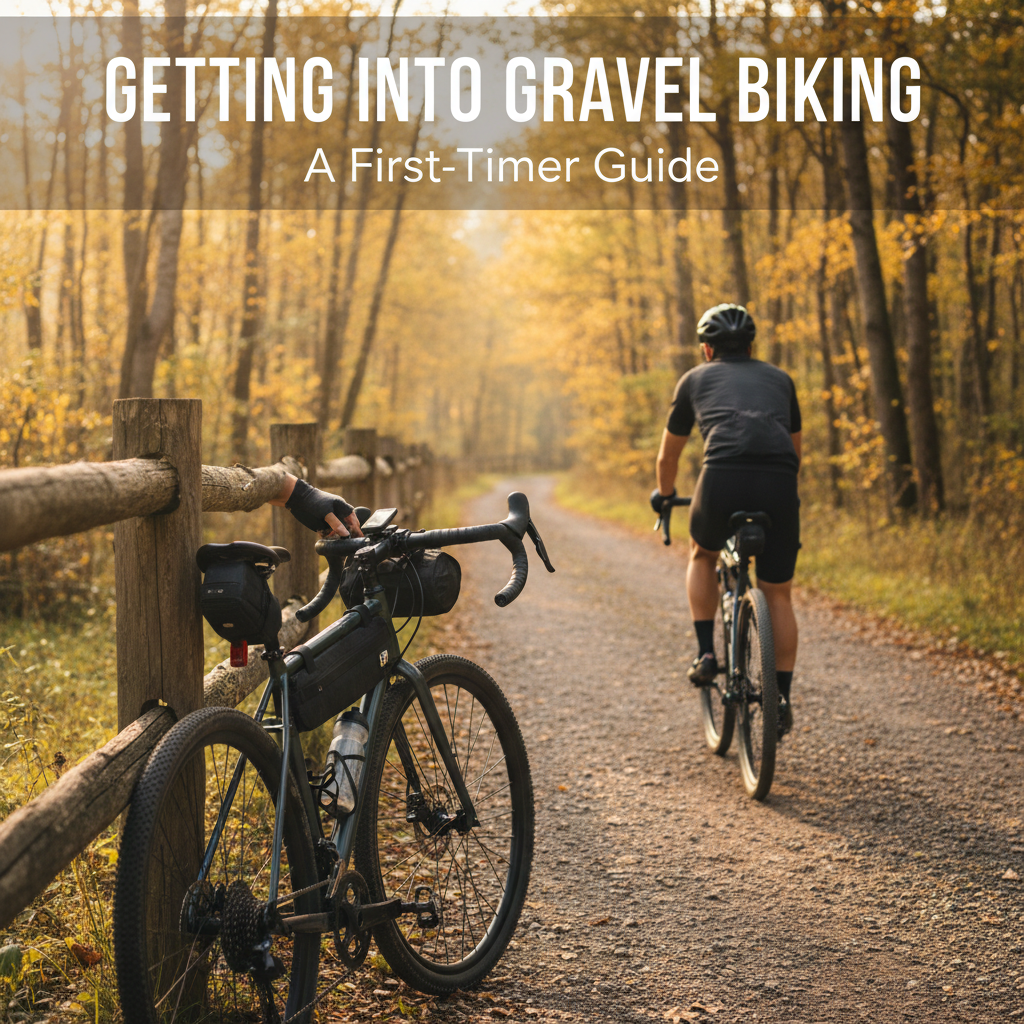
My first gravel ride happened by accident. I took a wrong turn on my road bike during a weekend ride and ended up on this gorgeous unpaved path through some farmland. My skinny tires were sketchy as hell, I nearly wiped out twice, but something clicked. There had to be a better way to explore these kinds of roads.
So What Actually Makes a Gravel Bike Different?
I spent way too long researching this before buying mine, so let me save you some time. The main things that set gravel bikes apart:
Fatter tires. Were talking 35mm or wider. My road bike had 25mm tires – the difference in stability is night and day. Youre not constantly fighting for grip on loose stuff.
More relaxed geometry. The frame puts you in a less aggressive position. On my first 80-mile gravel ride, I actually felt okay the next day. That never happened on my road bike.
Disc brakes. Non-negotiable in my opinion. Ive ridden through mud that wouldve completely killed rim brakes. The stopping power on sketchy descents has saved my butt more than once.
Picking the Frame Material
Okay, heres where it gets tricky and honestly where I made some mistakes.
I bought an aluminum bike first because it was cheaper. Solid choice, rode it for about a year. But my hands and lower back started complaining on longer rides. Aluminum doesnt absorb vibration that well – something I didnt really think about until I was 4 hours into a bumpy gravel road.
Upgraded to carbon last spring. The vibration dampening is real – not a placebo like I thought it might be. Lighter too, which matters when youre schlepping your bike over a downed tree on some backcountry path.
Steel frames are awesome too, by the way. My buddy rides a steel gravel bike and swears its the smoothest ride ever. Heavier, sure, but he doesnt care. Titanium? Never tried it. My wallet cant handle that conversation.
Lets Talk Tires (I Have Opinions)
Ive gone through probably 6 or 7 different tire setups at this point. Heres what Ive learned the hard way:
Go tubeless. Just do it. I was lazy about setting this up for months and kept getting pinch flats. Finally converted, ran lower pressure, and suddenly rough roads felt way more manageable.
Tire width depends on what youre actually riding. I run 40mm most of the time – good balance between speed on pavement and grip on gravel. For pure dirt paths, Ive gone up to 45mm. Makes a huge difference on the chunky stuff.
Tread pattern matters more than I expected. Got some slick tires thinking theyd be “fast everywhere.” They were fast on pavement and absolutely terrifying on wet gravel. Now I use tires with some actual knobs on the sides.
The Drivetrain Debate: 1x vs 2x
I started with a 2x setup (two chainrings in front). Honestly? It was fine. More gear range, which helped on steep climbs.
Then I tried a friends bike with a 1x setup – single chainring, big cassette in back. Simpler, less to think about, fewer things to break. I was sold. Converted my bike and havent looked back.
That said, if youre doing huge mountain passes regularly, 2x might still make sense. I mostly ride rolling terrain, so 1x covers it.
Comfort Stuff That Actually Works
A few things Ive added that made real differences:
Wider handlebars gave me better control on descents. Like, noticeably better. I went from 42cm to 46cm and it was an immediate improvement.
Got a shorter stem too, which put less weight on my hands. Small change, big comfort upgrade on long days.
Some folks add suspension – either a front fork or a suspension seatpost. Havent pulled the trigger on that yet, but Im curious.
Bikepacking Changed Everything
Never thought Id be the guy strapping bags to my bike for overnight trips, but here we are. Gravel bikes are perfect for this – theyve got all these mounting points for racks and bags.
Did my first overnight trip last fall. Packed way too much, legs were screaming, but waking up in the middle of nowhere with my bike next to my tent? Life-changing.
Start with a frame bag and a handlebar roll. Thats enough for one night if you pack light.
Some Bikes Worth Looking At
Im not gonna tell you what to buy, but here are some Ive ridden or friends own:
- Canyon Grail – That weird double-decker handlebar takes getting used to, but its genuinely comfortable. Great value too.
- Specialized Diverge – The Future Shock suspension actually works. Tried it on washboard roads and was impressed.
- Giant Revolt – Buddy has one, paid way less than I did for similar performance. Giant knows how to stretch a dollar.
- Salsa Warbird – Built for racing. Stable at speed, handles sketchy stuff well.
The Mental Shift
Heres the thing nobody tells you about gravel biking: its not really about the bike. Its about where the bike takes you.
Road cycling, for me anyway, always felt like training. Watts, speed, Strava segments. Gravel is different. I actually stop and look around now. Found some incredible places I never wouldve seen from the main roads.
Last month I took a gravel road that dead-ended at an abandoned farm. Sat there for 20 minutes just drinking my water and watching hawks circle. Try doing that on a group road ride.
Is It Worth It?
Gravel bikes arent cheap, but theyre the most versatile bikes Ive owned. Mine handles my commute, weekend gravel adventures, and the occasional rail trail with the kids. Used to own three bikes for all that. Now Ive got one that does it all – maybe not perfectly, but well enough.
If youre on the fence, find someone with a gravel bike and borrow it for a day. Hit some unpaved roads. See if it clicks like it did for me.
Fair warning though: you might not want to give it back.