
Electric gravel bike adoption has gotten mainstream in ways that surprised traditional cyclists. As someone who resisted motors for years before trying one on a 100-mile loaded route, I learned everything there is to know about when they make sense. Today, I will share it all with you.
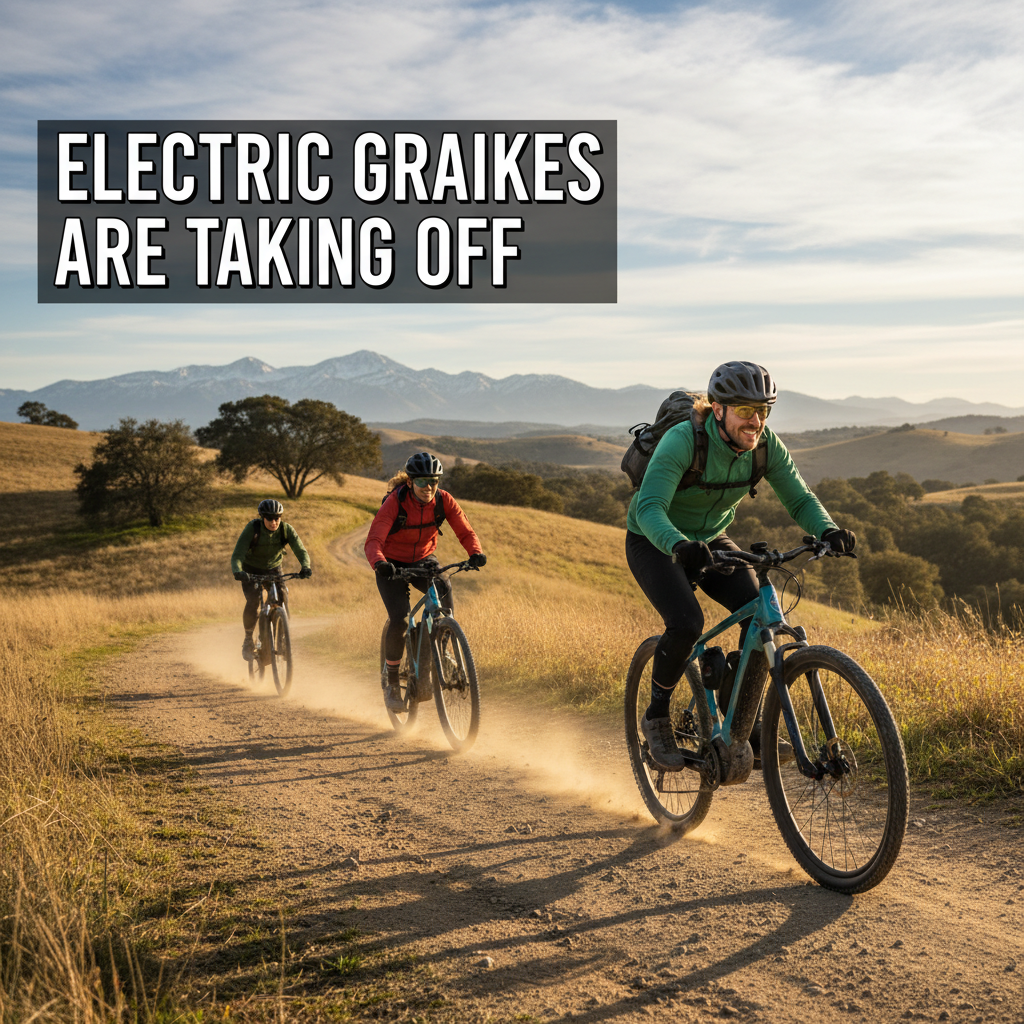
That’s what makes trying e-gravel endearing to us skeptics — sometimes the technology genuinely improves the experience rather than replacing it.
The Case For Electric Assist
Probably should have led with this section, honestly — understanding the real benefits requires experiencing specific situations.
Mile 60 of a gravel century with 8,000 feet of climbing. Headwind across exposed prairie. Bikepacking bags adding 30 pounds to every climb. These situations transform from suffer-fests into manageable adventures with motor assistance.
Component Breakdown
But what makes these bikes work? In essence, familiar gravel bike geometry with integrated power systems.
Motor: Mid-drive systems from Bosch, Shimano, or Fazua dominate quality bikes. Hub motors work but compromise handling.
Battery: 400-700Wh typical. Higher capacity extends range but adds weight.
Controller and Display: Shows assist level, battery remaining, speed. Some integrate with phone apps.
Choosing Wisely
I’m apparently in the camp that prioritizes motor quality over battery size. Frustrated by cheap hub motors that felt disconnected from actual pedaling, I learned that motor responsiveness matters more than raw wattage.
Frame: Aluminum works for most riders. Carbon reduces weight at significant cost.
Tires: 40-50mm width handles gravel conditions. Tubeless setup reduces puncture problems.
Brakes: Hydraulic disc brakes mandatory for stopping heavier e-bikes safely.
Environmental Considerations
E-bikes use minimal electricity compared to cars. They replace car trips for many commuters. Battery production has environmental costs, but overall impact remains far below motor vehicles.
Cost Reality
Entry-level e-gravel starts around $3,000. Quality mid-drive systems push prices to $5,000-8,000. High-end builds exceed $10,000.
Consider long-term value. Replacing car trips saves fuel costs. Extended riding capability provides years of use.
Making the Call
Electric gravel bikes serve riders who want to explore further, climb more, or carry loads without being crushed by the effort. They don’t replace traditional gravel bikes — they extend what’s possible. The right choice depends on your actual routes and riding goals.