All the Different Types of Bikes And Which One You Actually Need
Walking into a bike shop these days is kind of overwhelming. There are like fifteen different categories of bikes and they all look vaguely similar to the untrained eye. Road bike? Gravel bike? Adventure bike? Endurance bike? What is the difference and does it even matter?
I have owned more bikes than I would like to admit over the past decade, so let me break this down in a way that actually makes sense.
Road Bikes
These are the classic skinny-tire, drop-handlebar bikes you see in the Tour de France. Built for one thing: going fast on pavement.
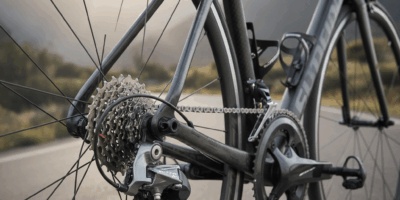
Everything about a road bike is designed to minimize weight and maximize efficiency. Thin tires mean less rolling resistance. Lightweight carbon or aluminum frames. Aggressive geometry that puts you in an aerodynamic position.
I will be real – the riding position takes some getting used to. The first few weeks on a road bike, my neck hurt, my hands went numb, and I wondered if I had made a terrible mistake. Then something clicked and now a road bike feels natural.
Mountain Bikes
Fat tires, suspension, built for trails. That is the basics. But mountain bikes have splintered into about six subcategories which can get confusing.
Cross-country bikes are lightweight and efficient for racing. Trail bikes are the all-rounders – what most people should probably buy. Enduro bikes are burlier, designed for aggressive descending while still being able to climb. Downhill bikes are pure gravity machines that you would never want to pedal uphill.
My take? If you are new to mountain biking, get a trail hardtail. It will teach you good habits and you can always upgrade later.
Hybrid Bikes
The name says it all – these combine features from road and mountain bikes. Flat handlebars, medium-width tires, upright position, often with mounts for racks and fenders.
Look, cycling purists will tell you hybrids are bikes for people who do not know what they want. And honestly? Maybe. But for a lot of people – commuters, casual fitness riders – hybrids make a ton of sense.
My mom rides a hybrid. It is perfect for her needs. She is not racing. She is riding to the farmers market and back.
Gravel Bikes
This is the trendy category right now and I will admit, I drank the Kool-Aid. Gravel bikes are basically road bikes that can handle… well, gravel. And dirt. And rough pavement.
Wider tires than road bikes, usually 35-45mm, more relaxed geometry, often with provisions for bikepacking bags.
I ride one now as my do everything bike. Saturday morning I will ride 50 miles mixing pavement and fire roads. Wednesday I will use it to grab groceries. It is not optimal for anything, but it is good enough for everything.
Electric Bikes
A motor assists your pedaling. That is it. The motor only works when you pedal – this is not a motorcycle. You still exercise, you just get help on hills or headwinds.
I used to be skeptical about e-bikes until I rode one up a hill that normally makes me contemplate my life choices. Still got a workout, but I did not want to die at the top. Now I get it.
BMX Bikes
Small, simple, built for tricks and racing on dirt tracks. Single gear, no suspension, designed to handle abuse. If you are hitting the skatepark or dirt jumps, this is what you want.
Not practical for getting around. But for pure fun? Nothing beats the feeling of nailing a trick on a BMX.
Folding Bikes
These fold up so you can carry them on trains, store them in tiny apartments, or throw them in a car trunk.
Brompton is the famous brand – expensive but the folding mechanism is incredible. I owned one when I lived in a studio apartment and commuted by train. Best purchase I made that year.
Cruiser Bikes
Wide seats, swept-back handlebars, fat tires, relaxed position. Built for comfort on flat terrain at slow speeds. Think beach boardwalks and neighborhood paths.
Not efficient. Not fast. But comfortable as heck and they look good doing it.
So Which One Do You Actually Need?
Here is my honest advice: ignore all the marketing subcategories and think about what you will actually do.
Commuting on roads: Hybrid or commuter-specific bike
Fast fitness rides on pavement: Endurance road bike
Off-road trails: Trail mountain bike, hardtail to start
Mix of roads and dirt or gravel: Gravel bike
Relaxed cruising: Cruiser or hybrid
Small apartment plus public transit: Folding bike
And whatever you pick, ride it for a while before deciding you need something else. Most people do not need multiple bikes – they need to actually use the one they have.
Recommended Cycling Gear
Garmin Edge 1040 GPS Bike Computer – $549.00
Premium GPS with advanced navigation.
Park Tool Bicycle Repair Stand – $259.95
Professional-grade home mechanic stand.
As an Amazon Associate, we earn from qualifying purchases.