Gran Fondo: My Journey from Couch to 100+ Miles
Let me tell you about the first time I attempted a Gran Fondo. I bonked at mile 60, threw up in a ditch, and finished two hours behind everyone I knew. Best experience of my life? Weirdly, yes. It got me hooked on these insane long-distance events.
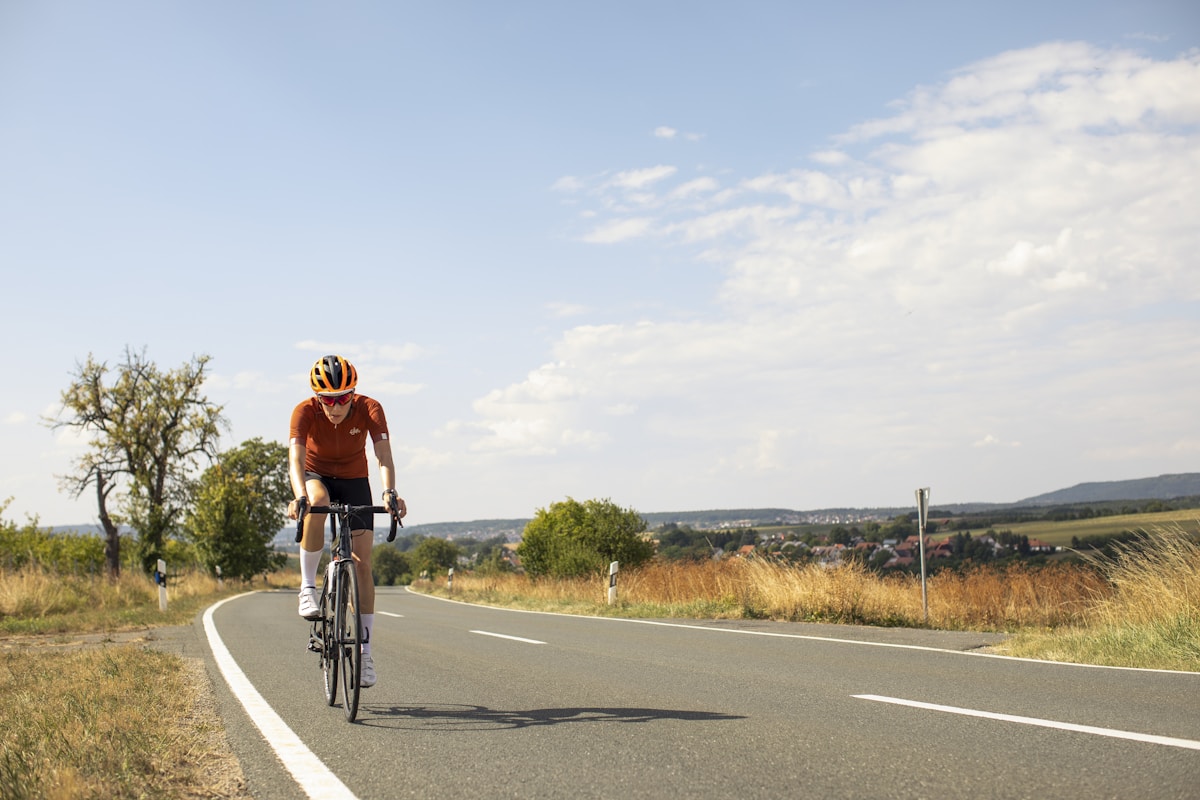
What Even Is a Gran Fondo?
Gran Fondo means big ride in Italian, and they were not kidding. We are talking 75+ miles minimum, usually with enough climbing to make your legs stage a revolt. It is not a race exactly – though there are timed segments if you are competitive – it is more like a massive group ride with support and aid stations.
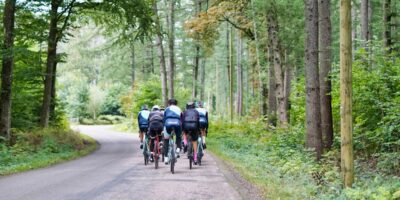
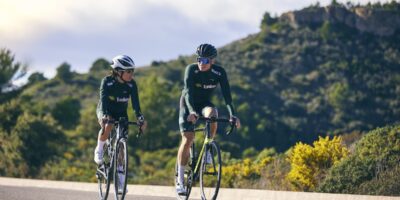
The vibe is different from racing. You will see 60-year-olds chatting with 25-year-olds, everyone suffering together on the climbs and flying together on the descents. It is strangely beautiful.
A Brief History (That I Actually Find Interesting)
The first official Gran Fondo happened in Cesenatico, Italy, back in 1971. Some guy named Marco Pantani made it famous later – he was from there and became a cycling legend. The Nove Colli (nine hills) course is still running and absolutely brutal from what I hear.
The concept spread like wildfire. Now there are Gran Fondos everywhere – I have done ones in New York, California, even one in the Alps that almost killed me. Each one has its own flavor but they all share that same suffering-together spirit.
How I Trained (And What I Would Do Differently)
My first attempt was basically no training plus blind optimism. Do not be me. Here is what actually works:
Building Base Miles
You need saddle time. Lots of it. I am talking one long ride per week, gradually building from maybe 40 miles to eventually doing 80-90% of your target distance in training. My mistake was thinking I could push through on race day without putting in the work. Your legs have other plans.
These long rides do not need to be fast. Actually they should not be. Keep the heart rate low, focus on time in the saddle. Your body needs to adapt to spending 5+ hours on a bike, and that adaptation takes months, not weeks.
Learning to Climb
Gran Fondos love hills. Sadistic amounts of hills. If you live somewhere flat (I used to live in Florida – I feel your pain), you need to find whatever elevation you can and hit it repeatedly.
Parking garages work in a pinch. I am not joking – I have done 20 repeats up a parking structure at 6am because it was the only hill within 50 miles. You do what you gotta do.
When you do find real hills, practice your gear selection. Running out of gears on a 12% grade while you are 80 miles into a ride is a special kind of horrible.
Nutrition Is Where I Completely Failed
That bonk at mile 60? I had eaten like two gels and half a banana. Turns out your body burns through 300-400 calories per hour on a hard ride, and you need to actually replace most of that.
Now I eat constantly on long rides. Every 30-45 minutes, something goes in my mouth. Gels, chews, sometimes actual food like fig bars or banana pieces. Seems like too much until you try it and realize you feel way better at mile 80.
Hydration too. I use bottles with electrolyte mix and aim for one bottle per hour minimum. More if it is hot. That is a lot of peeing but way better than cramping up on a descent.
Gear That Actually Matters
The Bike Stuff
Your bike should fit properly – like professionally-fitted properly. Being even slightly off on saddle height or reach becomes absolute torture over 6 hours. I spent $200 on a fit and it was worth every penny.
Get tires that can handle rough roads without giving you flats every 20 miles. Most Gran Fondos are not on perfect pavement. I run 28mm tires at lower pressure and basically never flat anymore.
Oh, and make sure your gearing is appropriate. A 34/32 low gear used to seem wimpy to me. Now I call it smart. Pride is worthless at mile 90 when you are grinding up a 15% grade.
What To Wear
Bib shorts with a chamois you have tested on long rides. Do NOT debut new shorts on race day. I learned this the hard way and could not sit normally for a week.
Layers if the weather might change. Arm warmers and a vest pack small and can save your ride if a descent gets cold. I have been hypothermic on a mountain descent after sweating up the climb – not fun.
Emergency Kit
Two tubes (one is never enough), tire levers, CO2 or a mini pump, a multi-tool, and some cash. I also carry a phone and my health insurance card, which feels paranoid but I have seen crashes on these events.
Gran Fondos I Have Done (And Recommend)
Gran Fondo New York
Did this one last year. The views are incredible – you go over the George Washington Bridge, up into the hills north of the city, and it is genuinely beautiful. The climbs are not huge but there are a LOT of them. Bring your legs.
The organization is top-notch. Aid stations everywhere, well-marked course, and the finish line party is legitimately fun. Would do it again.
L Etape du Tour
This is on my bucket list but I am scared. You ride an actual stage from the Tour de France – the same roads, the same climbs. Usually involves mountains that would make me cry. Maybe next year.
People who have done it say it is the hardest and most rewarding thing they have ever done on a bike. That tracks.
Race Day Tips From Someone Who Has Messed Up Everything
Start slower than you think you should. Seriously. That first hour should feel almost too easy. You have many, many miles to go and starting too hard will destroy you later.
Eat before you are hungry. Drink before you are thirsty. If you wait until you feel the need, you are already behind.
Find a group riding your pace and stick with them. Drafting saves like 30% of your energy. That is not cheating, that is smart cycling.
The climbs will hurt. Accept it. Do not try to be a hero – drop to your easy gear early and spin. You will pass the people who went out too hard eventually.
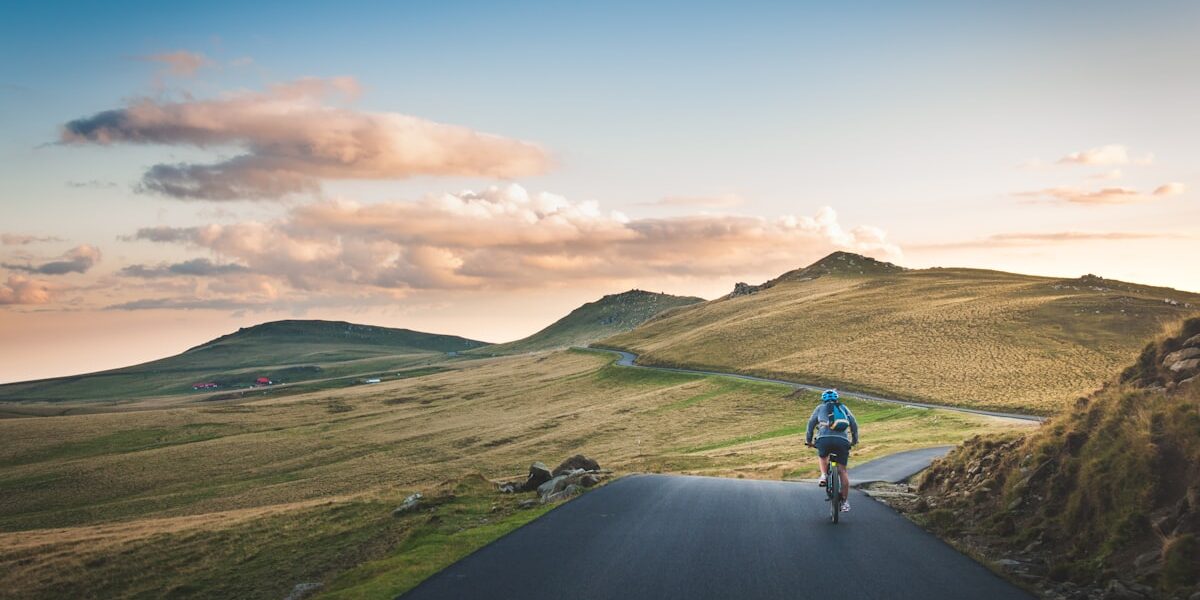
Take pictures at the top of the climbs. I know you are tired, but you will want to remember this later. The views are usually incredible.
Why I Keep Coming Back
Gran Fondos are type 2 fun – miserable in the moment, amazing in hindsight. There is something about pushing your limits with hundreds of other crazy people that is deeply satisfying.
Every time I cross the finish line, I swear I am never doing another one. Then two weeks later I am signed up for the next one. It is a sickness, really. But it is a good sickness.
If you are thinking about trying one, just do it. Start with a shorter distance option if you are nervous. But do it. The suffering is worth it.