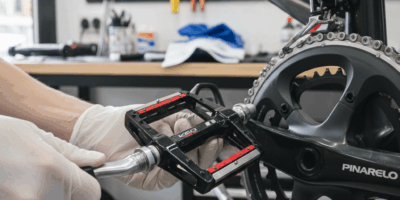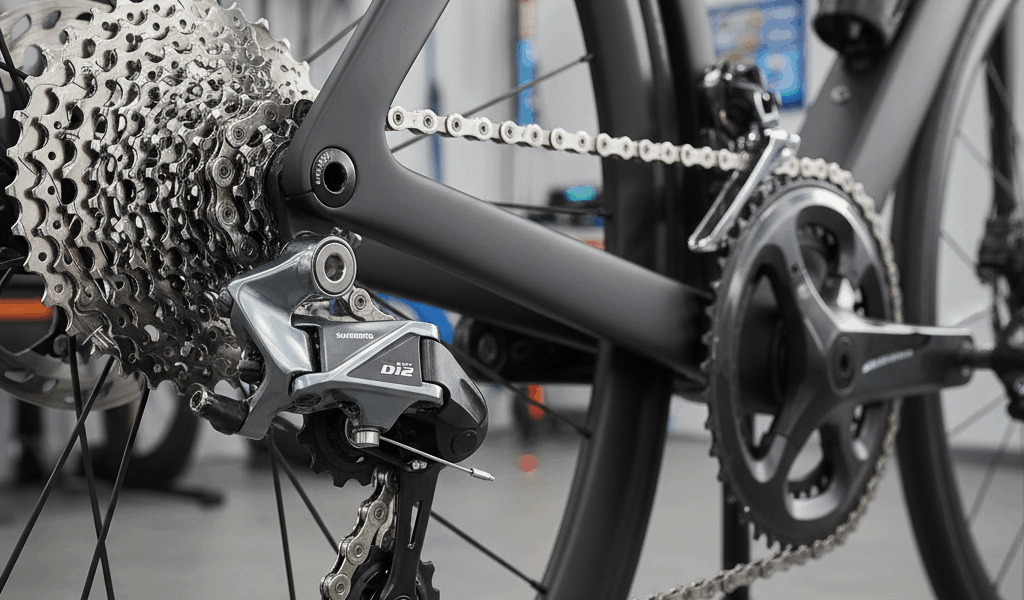
Five thousand miles. Two groupsets. One clear winner. After spending an entire season split between SRAM Red AXS and Shimano Dura-Ace Di2, I finally have a definitive answer to cycling’s most heated debate. Spoiler: it’s more nuanced than the forums would have you believe.

The Testing Protocol
This wasn’t a quick test ride or a weekend evaluation. I ran SRAM Red AXS on my primary road bike and Dura-Ace Di2 on my gravel rig, alternating weekly for serious training blocks. Rain, heat, climbing, sprinting, and everything between. Both systems got equal opportunity to impress and disappoint.
Shifting Performance
Shimano’s Di2 shifts with mechanical precision that borders on surgical. The system anticipates your input and executes with zero hesitation. Under load, during sprints, mid-climb, it simply works. Every. Single. Time.
SRAM’s AXS brings a different personality. The wireless freedom is genuine, and the shifts feel more organic somehow. But under maximum load, I noticed occasional hesitation that Di2 never showed. It’s milliseconds, imperceptible to most, but racers will notice.
The Ergonomics Question
Here’s where personal preference dominates. SRAM’s double-tap lever philosophy requires adaptation but becomes intuitive after a few rides. Shimano’s separate buttons for up and down shifts feel more natural to newcomers.
Hood shape and lever reach affect this significantly. Riders with smaller hands often prefer SRAM’s lever geometry. Shimano’s hoods felt more substantial in my medium-sized hands. Neither is objectively better, just different.
Battery Life and Maintenance
SRAM’s individual battery pods require more management but offer quick swaps if one dies mid-ride. I averaged 40-50 hours per charge on the rear derailleur, slightly more on the front. Carrying a spare battery on long rides became habit.
Shimano’s internal battery and wired connections meant charging the whole system less frequently. But when that battery dies, you’re done. No roadside swap option. Over 5,000 miles, I charged the Shimano system about half as often.
The Integration Factor
Shimano’s ecosystem integration with their power meters and computers creates seamless data flow. SRAM plays nicely with Garmin and other third-party devices. Neither locks you out, but Shimano’s walled garden approach offers tighter integration for those already invested.
Real-World Reliability
Both systems performed flawlessly through summer heat and winter cold. Neither showed weather-related issues during wet rides. Electronic shifting has matured to the point where reliability concerns feel outdated.
The only issue I encountered: one SRAM derailleur battery developed a charging fault around 3,000 miles. SRAM’s customer service replaced it without hassle. Di2 components never hiccuped.
The Verdict
For pure shifting performance under all conditions, Shimano Dura-Ace Di2 edges ahead. The wired reliability, consistent feel, and seamless operation under load make it my choice for serious racing and training.
But SRAM AXS wins on installation simplicity, aesthetic cleanliness, and that intangible freedom of wireless operation. For everyday riding and those who value the clean look, it’s genuinely excellent.
The honest answer: both systems are remarkable. You’ll be happy with either. But if I’m lining up for a race, Di2 is on my bike.