Buying Your First Real Bike? Here is What Nobody Tells You
Alright, so you want a bike. Maybe you have not ridden since you were a kid, or maybe you have been borrowing your roommate bike and finally decided to get your own. Either way, walking into a bike shop or scrolling through a website for the first time can be overwhelming. Trust me, I have been there.
Here is the stuff I wish someone had told me before I spent three weeks researching gear ratios and frame geometries like I was writing a dissertation.
First Things First: What Kind of Riding?
Before you even think about bikes, think about where you will ride. And be realistic. Not where you dream of riding someday, but where you will actually ride most of the time.
Commuting to work on city streets? Different bike than hitting mountain trails on weekends. Mostly paved bike paths? Different again. Combination of everything? That narrows your options in a helpful way, actually.
The Bike Types Simplified
Road Bikes
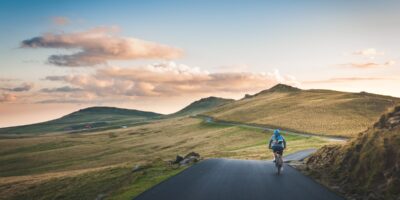
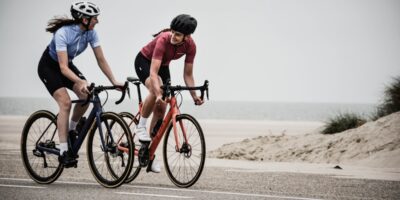
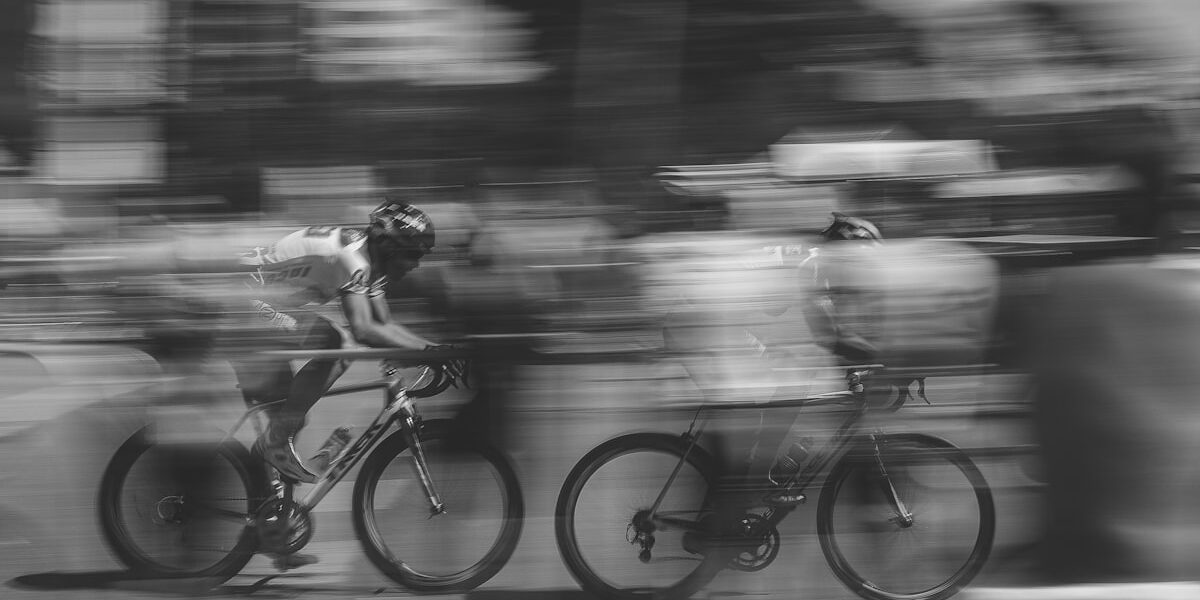
Fast on pavement. Skinny tires. Drop handlebars – the curvy ones. You lean forward a lot. Great for covering distance on roads, less great for anything else. I tried one on gravel once – would not recommend.
Mountain Bikes
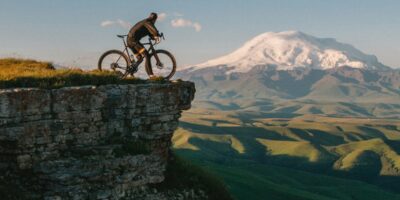
Fat knobby tires. Suspension – front only is called hardtail, front and rear is full suspension. Built for trails and rough stuff. Slower on pavement but basically indestructible. My first adult bike was a mountain bike and I still have it.
Hybrids
Kind of a mix. Flat handlebars, medium-width tires, usually no suspension. These are the I am not sure what I want to do bikes, and honestly that is fine. They do a bit of everything reasonably well.
Gravel Bikes
Road bikes that can handle unpaved stuff. Drop bars like a road bike but with wider tires and more relaxed geometry. Super trendy right now and for good reason – they are versatile.
City Bikes
Practical transportation. Upright position, often come with fenders, racks, and lights. Not fast, not fancy, but they just work for getting around town.
E-Bikes
Any of the above but with an electric motor to help you pedal. Makes hills easier, extends your range, and means you can show up to work without being a sweaty mess. More expensive and heavier, but I have seen them completely change the game for people who otherwise would not bike at all.
The Money Conversation
Bikes cost more than you think. Or at least more than I thought when I started looking. You can get something rideable for 300 to 400 dollars, but honestly those bikes tend to have problems. Parts break, shifters are clunky, that sort of thing.
The sweet spot for actually good but not crazy expensive is probably 600 to 1000 dollars for most types of bikes. That gets you something that will last and actually feel nice to ride.
Can you spend 5000 dollars? Sure. Do you need to? Absolutely not, especially starting out.
Fit Matters More Than Features
Here is something that took me embarrassingly long to figure out: the best bike that does not fit you is way worse than a decent bike that does. If you are hunched weird, or your knees are hitting your elbows, or your hands go numb after ten minutes – the bike does not fit right.
Go to a shop and actually sit on bikes. Test ride if you can. A good shop will help you find the right size and make adjustments. This is honestly worth paying a bit extra for rather than just ordering online and hoping for the best.
Used Can Be Smart
I bought my current road bike used. Saved probably 800 dollars off retail and it was in great shape – some guy bought it, rode it twice, and decided cycling was not for him. His loss, my gain.
The trick is knowing what to look for. Check the frame for cracks or dents – those are deal breakers. Spin the wheels and look for wobbles. Check the drivetrain for wear – if the chain is stretched and the cassette teeth are shark-finned, you are looking at a rebuild. Brakes should stop you. Shifting should actually shift.
If this sounds confusing, bring someone who knows bikes, or just accept you are taking a gamble.
Accessories: The Trap
When you buy a bike, there is always this moment where the shop or website starts suggesting accessories. Helmet, lock, lights, pump, bottle cage, saddle bag, multitool, cycling shorts, jersey, gloves…
Some of that stuff you actually need:
- Helmet – seriously, wear one
- Lock – if you are ever leaving it anywhere
- Lights – if riding near dusk or at night
- Pump – flats happen
The rest? Nice to have but not urgent. I bought way too much stuff up front. Should have waited to see what I actually needed.
Just Pick Something
Analysis paralysis is real with bikes. There are so many options and so many opinions online. At some point you just have to make a decision and start riding.
The truth is, most decent bikes will be fine for most people. You will figure out what you actually like and want once you have been riding for a while. Then maybe you upgrade or get a second bike for different riding. But first, you just need a bike.
So stop reading reviews for the 47th time – I am talking to past me here too – and go get something that fits your budget and feels right when you sit on it. You can always adjust from there.