Figuring Out Which Bike to Actually Buy
So you have decided you want a bike. Great! Now comes the part where you realize there are approximately 47 billion options and they all look vaguely similar but apparently cost anywhere from 200 to 12,000 dollars. Been there. I spent way too long overthinking this when I bought my first real bike a few years back.
Let me try to make this less confusing than the internet made it for me.
The Main Types In Plain English
Road Bikes
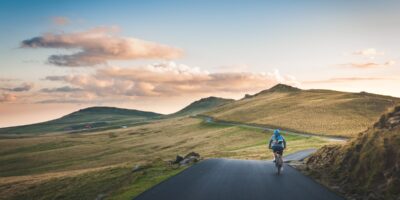
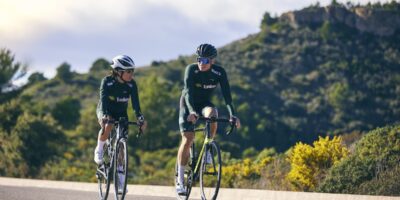
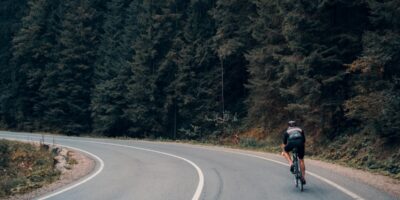
These are the skinny-tired ones you see people hunched over in full spandex. They are built for going fast on pavement. I will be honest – they are kind of uncomfortable at first. That aggressive forward-leaning position takes some getting used to, and if you hit a pothole wrong, you are gonna feel it.
But man, once you get the hang of it, they are efficient as heck. I borrowed my buddy road bike for a week and I was legitimately shocked at how much ground I could cover compared to my old clunker.
Who should get one: People who want to ride mostly on roads, want to go fast, and do not mind looking a bit dorky in tight clothes. You get over it, I promise.
Mountain Bikes
These are the chunky ones with the knobby tires and usually suspension. Built for trails, rocks, roots, and general off-road chaos. They are heavier than road bikes and slower on pavement, but they are also way more forgiving.
I have a hardtail mountain bike – front suspension only, no rear – and I love it. Is it the fastest thing on the road? Nope. Can I hop a curb without worrying about destroying my wheel? Absolutely.
Who should get one: Anyone who wants to hit trails, lives somewhere with bad roads, or just wants something tough that can handle whatever.
Hybrid Bikes
These are kind of the I want a bit of everything option. They have somewhat skinny tires but not road-bike skinny, usually no suspension or just a little, and a more upright riding position. They are the Swiss Army knife of bikes.
Honestly? If you are not sure what kind of riding you will do, this is probably your safest bet. They are comfortable, versatile, and will not make you feel out of place whether you are on a bike path or running errands.
Gravel Bikes
These have gotten super popular in the last few years. They basically look like road bikes but with wider tires and a slightly more relaxed geometry. The idea is you can ride them on roads AND on unpaved paths without switching bikes.
I have been tempted to get one, not gonna lie. They seem like the perfect do it all option for people who want road bike speed but also want to explore some trails.
City and Commuter Bikes
These are designed for practical stuff – riding to work, going to the grocery store, that kind of thing. They usually come with fenders so you do not get a wet stripe up your back when it rains, racks for carrying stuff, and sometimes lights built in.
Not the fastest or the fanciest, but extremely practical. My sister uses one for her commute and it is perfect for her needs.
E-Bikes
Look, I used to think e-bikes were cheating. Then I actually rode one. Now I totally get it.
They have electric motors that help you pedal. You still have to work – it is not a motorcycle – but hills become way less brutal and you can go further without wanting to die. They are awesome for commuting, especially if you do not want to show up to work all sweaty.
The downsides: they are heavy, more expensive, and you have to charge them. But for a lot of people, totally worth it.
Stuff to Think About
What Are You Actually Going to Use It For?
This is the most important question and probably the one most people do not think about enough. Be honest with yourself. If you say you are going to ride trails every weekend but realistically you will mostly be riding to the coffee shop, get a bike for the coffee shop runs.
Budget
Here is the thing about bikes – you can spend basically any amount of money. Entry-level bikes start around 300 to 500 dollars. Solid mid-range options run 800 to 1500. And high-end stuff goes as high as you want to go.
My advice? Do not buy the absolute cheapest thing, because it will fall apart. But you also do not need the fanciest thing when you are starting out. You will not appreciate the difference anyway. Something in the 500 to 800 dollar range is usually a good starting point for most people.
Fit
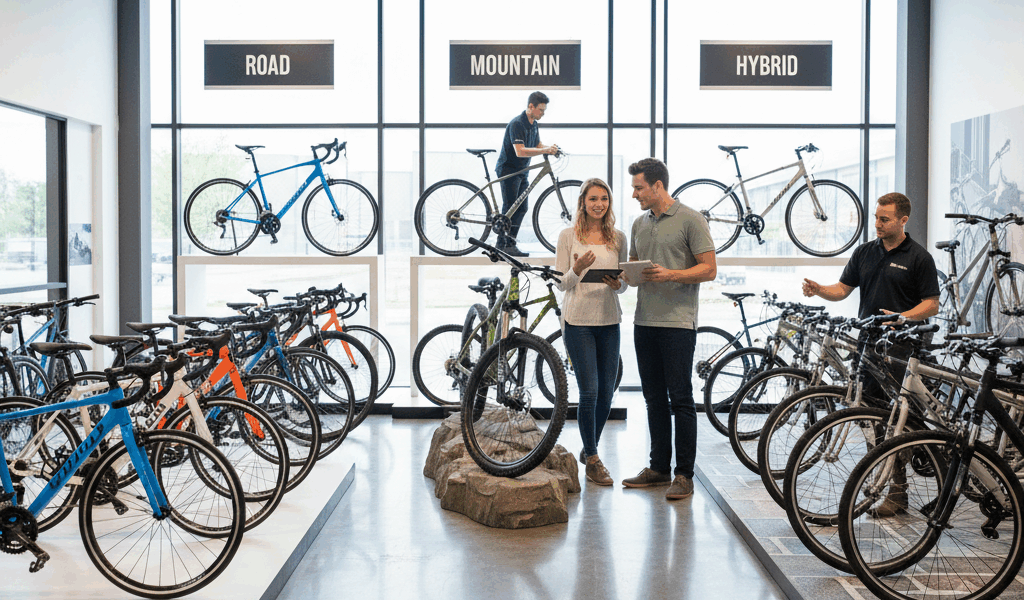
A bike that does not fit you is going to suck no matter how nice it is. Most bike shops will help you figure out what size you need and make some basic adjustments. This is actually a good reason to buy from a shop instead of online – they will set it up properly.
If you do buy online, at least use the sizing guides and be prepared to make adjustments.
New vs Used
Used bikes can be a great deal. I got my mountain bike used for about half what it would have cost new, and it was barely ridden. Facebook Marketplace, Craigslist, and bike-specific sites like Pinkbike are good places to look.
The catch: you need to know what you are looking at. Worn-out drivetrains, sketchy brakes, bent frames – there is stuff that can be wrong that is not obvious if you do not know bikes. If you go this route, try to bring someone who knows what to check, or at least learn the basics of what to look for.
Bottom Line
Do not overthink this. The best bike is the one you will actually ride. I spent months researching before buying my first decent bike, reading reviews, watching YouTube videos, agonizing over specs I barely understood. In the end, I just needed something that fit me, worked reliably, and I could afford.
Start somewhere. You can always upgrade later once you figure out what you actually want from cycling. The important thing is getting out there and riding.