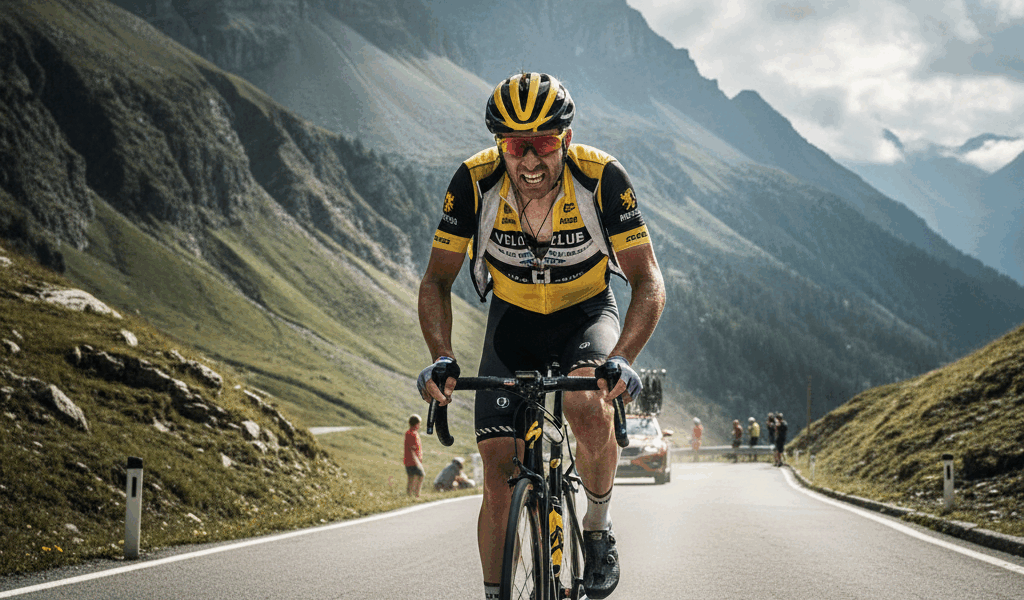
Heart rate monitoring remains one of the most valuable tools for training and pacing, but the technology you choose matters. We tested chest straps and optical wrist sensors head-to-head across various riding scenarios to see how they compare in real-world conditions.
How Each Technology Works
Chest Strap Monitors
Chest straps detect the electrical signals your heart generates with each beat—the same signals an ECG measures. Electrodes embedded in the strap pick up these signals through your skin, which is why chest straps require moisture (sweat or water) to work properly.
This electrical detection method measures actual heartbeats directly, making it inherently accurate when the strap maintains good contact.
Optical Heart Rate Monitors
Optical sensors use LED lights to illuminate blood vessels beneath your skin. As your heart beats, blood volume in these vessels changes, altering how light reflects back to the sensor. Algorithms interpret these fluctuations to calculate heart rate.
This indirect measurement introduces potential for error when motion, skin tone, ambient light, or cold temperatures interfere with readings.
Testing Methodology
We wore multiple devices simultaneously during identical rides:
- Devices tested: Garmin HRM-Pro Plus, Polar H10, Wahoo TICKR X (chest straps); Garmin Forerunner 965, Apple Watch Ultra 2, Wahoo ELEMNT Rival (optical)
- Ride types: Steady endurance rides, high-intensity intervals, sprint efforts, and cold-weather sessions
- Analysis: Compared readings against the gold-standard Polar H10, examining both average accuracy and real-time responsiveness
Steady-State Riding Results
During consistent-effort rides at moderate intensity, optical sensors performed well:
- Average readings within 1-2 BPM of chest strap reference
- Minimal lag in detecting gradual heart rate changes
- Apple Watch Ultra 2 and Garmin 965 tracked nearly identically to chest straps
Verdict: For endurance riding without major intensity changes, optical sensors provide acceptable accuracy.
High-Intensity Interval Testing
Intervals revealed significant differences:
Hard Start Problem
When sprinting from rest, optical sensors showed 5-15 second delays in detecting heart rate spikes. The chest strap showed immediate response; the watch lagged, sometimes reading 20-30 BPM low during the early seconds of hard efforts.
Recovery Detection
Similar issues appeared during recovery intervals. Optical sensors took longer to register dropping heart rates, showing elevated readings 10-20 seconds after the chest strap indicated recovery.
Spike Errors
Several optical readings showed impossible spikes—heart rate jumping to 200+ BPM briefly before correcting. These artifacts never appeared in chest strap data.
Verdict: For interval training, chest straps provide significantly more accurate and responsive data.
Sprint Effort Comparison
Short, maximal sprints exposed the largest gaps:
- Peak heart rate readings from optical sensors averaged 8-12 BPM lower than chest straps
- The intense arm motion during sprinting confused wrist-based sensors
- Upper-arm optical sensors (Whoop, Polar Verity Sense) performed better than wrist sensors
Verdict: If tracking maximum heart rate or sprint performance matters, chest straps are essential.
Cold Weather Performance
Testing in 35-45°F conditions revealed thermal challenges:
- Optical sensors struggled with vasoconstriction (blood vessel narrowing from cold)
- Readings became erratic or dropped out entirely on cold hands/wrists
- Chest straps functioned normally once warmed by body heat
Upper-arm optical sensors, worn under clothing, performed better than wrist devices exposed to cold air.
Verdict: For cold-weather riding, chest straps provide more reliable data.
Comfort and Convenience
Chest Strap Considerations
Pros:
- Once positioned, stays in place for entire ride
- Long battery life (12-18 months on replaceable batteries)
- No charging required between uses
Cons:
- Additional device to remember and wear
- Can chafe during long rides without proper fit
- Requires moisture to work; may need wetting before starting
- Some riders find straps uncomfortable
Optical Sensor Considerations
Pros:
- Already wearing the watch; no additional device
- Works immediately without moisture activation
- Tracks heart rate 24/7 for recovery and daily monitoring
Cons:
- Less accurate during high-intensity and variable efforts
- Affected by cold, motion, and individual physiology
- Requires regular charging
- May not pair with all bike computers (Bluetooth vs ANT+ compatibility)
Broadcast Capabilities
Most modern chest straps broadcast via both ANT+ and Bluetooth, connecting to any bike computer, watch, or training app. The Garmin HRM-Pro Plus adds running dynamics and can store data independently when swimming.
Watches vary in their ability to broadcast heart rate. Apple Watch can broadcast to Bluetooth-compatible devices; Garmin and Wahoo watches broadcast to their ecosystem devices readily but may have limitations with third-party bike computers.
Specific Model Recommendations
Best Overall Chest Strap: Polar H10
Consistently the most accurate in independent testing. Dual ANT+/Bluetooth, water-resistant for swimming, and stores heart rate data independently. Comfortable elastic strap with long lifespan.
Best for Runners/Cyclists: Garmin HRM-Pro Plus
Adds running dynamics (ground contact time, vertical oscillation) for runners, plus stores data during swimming. Slightly more expensive than Polar H10 but offers additional metrics for multisport athletes.
Best Budget Chest Strap: Wahoo TICKR
Accurate readings at a lower price point. Lacks some advanced features but handles the core job—accurate heart rate—reliably.
Best Optical for Cycling: Polar Verity Sense
Worn on the upper arm (under clothing), the Verity Sense avoids many wrist sensor issues. Good accuracy even during intervals, comfortable for long sessions.
When to Use Each
Use a Chest Strap For:
- Structured interval training
- Racing and time trials
- FTP tests and performance assessments
- Cold weather riding
- Any session where precise heart rate zones matter
Optical Works Fine For:
- Easy endurance rides
- General fitness tracking
- Recovery monitoring between sessions
- Casual riding where zones don’t matter
The Bottom Line
Optical heart rate technology has improved dramatically, but physics limits what wrist-based sensors can achieve. For serious training—especially intervals, racing, or performance testing—a chest strap remains the gold standard. For daily wear and casual monitoring, optical sensors provide convenience that chest straps can’t match.
Many dedicated cyclists use both: chest strap for training sessions, watch optical for daily activity and recovery tracking. This hybrid approach captures the benefits of each technology where it excels.




Stay in the loop
Get the latest wildlife research and conservation news delivered to your inbox.