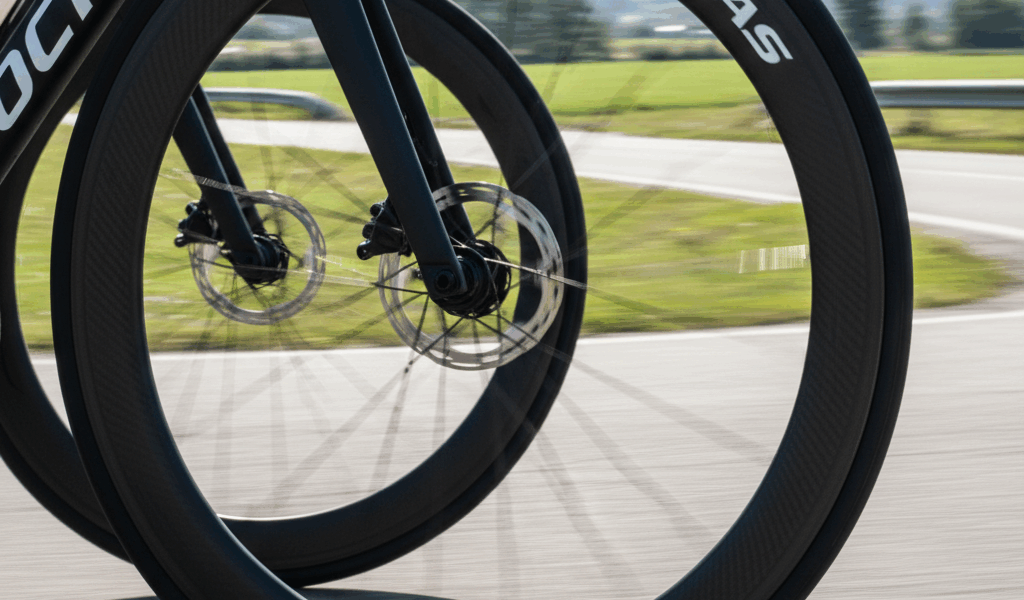
Carbon fiber wheels represent one of the most significant upgrades available to road and gravel cyclists. With prices ranging from $1,000 to $4,000+ per set, understanding what you’re paying for—and whether the investment makes sense—is essential before making this decision.
Why Carbon Wheels Cost More
Carbon fiber wheel construction requires specialized molds, layup techniques, and extensive quality control. Each rim begins as sheets of pre-impregnated carbon fiber that technicians lay by hand into precision molds. The resin cures under heat and pressure, creating a rim that’s both lighter and stiffer than aluminum alternatives.
The manufacturing process takes significantly longer than aluminum extrusion, and material costs remain high. Premium wheels also use higher-grade carbon with superior strength-to-weight ratios, further increasing costs.
Weight Savings: How Much Matters?
A quality carbon wheelset typically weighs 1,400-1,600 grams, compared to 1,800-2,000 grams for aluminum. This 300-500 gram savings at the wheel periphery affects rotational weight—the energy required to accelerate the wheel.
The Rotational Weight Myth
While rotational weight does require extra energy to accelerate, studies show its impact is often overstated. At steady speeds, total weight matters equally regardless of location. The real benefit comes during repeated accelerations—attacking climbs, sprinting out of corners, or responding to surges in a race.
Where Weight Savings Help Most
- Climbing: Lighter wheels reduce total bike weight, saving roughly 1 second per kilometer of climbing for every 100 grams saved
- Criteriums: Constant accelerating favors lighter wheels
- Punchy terrain: Short, steep rises reward quick acceleration
Aerodynamic Benefits of Deep Carbon Rims
Most carbon wheels use rim depths of 40-65mm, providing significant aerodynamic advantages over shallow aluminum rims. Wind tunnel testing shows:
- 40mm rims: Save 5-10 watts at 25 mph compared to box-section aluminum
- 50mm rims: Save 10-15 watts with improved crosswind stability
- 60mm+ rims: Maximum aero benefit but increased wind sensitivity
For flat and rolling terrain, aerodynamic advantages typically outweigh weight savings. A 50mm carbon wheel may be 100 grams heavier than a 30mm climbing wheel but save significantly more energy at speed.
Stiffness and Power Transfer
Carbon’s high strength-to-weight ratio allows engineers to build stiffer wheels without weight penalties. This stiffness translates to:
- Better power transfer: Less flex means more of your effort reaches the road
- Improved handling: Stiffer wheels respond more precisely to steering inputs
- Consistent braking: Less rim flex provides more predictable brake feel
However, excessive stiffness can create harsh ride quality. Premium wheels balance lateral stiffness for power transfer with vertical compliance for comfort.
Carbon Wheels for Gravel: Special Considerations
Gravel riding introduces challenges that road cycling doesn’t:
Impact Resistance
Rocks, roots, and rough terrain create impacts that can damage carbon rims. Modern gravel-specific wheels use reinforced layups and hooked bead designs for better durability. Look for wheels with impact warranties or guaranteed crash replacement programs.
Tire Compatibility
Gravel tires typically run 38-50mm widths. Ensure your carbon wheels have adequate internal rim width—21-25mm for most gravel applications—and proper hookless or hooked bead compatibility for your tire choice.
Tubeless Performance
Carbon rims often provide superior tubeless sealing compared to aluminum, with consistent bead seats and smooth internal surfaces. This matters more on gravel where lower pressures and tubeless setups are standard.
Brake Compatibility: Rim vs Disc
Carbon Rim Brake Wheels
Heat management remains the critical challenge. Prolonged braking on descents can overheat carbon brake tracks, potentially causing tire blowouts or rim damage. Modern carbon brake tracks use textured surfaces and heat-resistant resins, but riders should still moderate braking on long descents.
Disc Brake Carbon Wheels
Disc brakes eliminate rim heating concerns entirely, making carbon wheels more practical for all conditions. Without brake track constraints, disc-specific rims can use optimized shapes and lighter layups. This is why most new carbon wheel development focuses on disc brake applications.
Hub Quality Matters
A carbon rim is only as good as the hub it’s built around. Key hub factors include:
- Engagement speed: More engagement points mean faster power pickup when you start pedaling
- Bearing quality: Ceramic bearings reduce friction but require more maintenance
- Freehub compatibility: Ensure compatibility with your cassette (Shimano HG, SRAM XDR, or Campagnolo)
- Serviceability: Can you rebuild the hub yourself, or does it require specialized tools?
When Carbon Wheels Are Worth It
Carbon wheels make sense when:
- You’ve already optimized position and fitness
- You ride regularly at speeds where aero matters (18+ mph average)
- You’re racing or targeting specific performance goals
- You value the feel and responsiveness carbon provides
When to Stick with Aluminum
Aluminum remains the practical choice for:
- Everyday training wheels that may see rough treatment
- Bikes used in challenging conditions (commuting, touring)
- Riders still developing their handling skills
- Budget-conscious cyclists who need durability first
Top Carbon Wheels by Category
Best Value
Hunt, Roval, and Prime offer quality carbon wheels under $1,500 with solid warranty support and proven durability.
Mid-Range Performance
ENVE Foundation, Zipp 303 Firecrest, and DT Swiss ARC 1100 deliver premium performance between $1,500-$2,500.
No-Compromise Race
ENVE SES, Zipp 454 NSW, and Lightweight Meilenstein represent the pinnacle at $3,000+, with marginal gains that matter at the elite level.
Making the Decision
Carbon wheels offer real, measurable benefits in weight, aerodynamics, and ride quality. Whether those benefits justify the cost depends on your goals, budget, and how you use your bike. For serious riders who have optimized other aspects of their setup, carbon wheels remain one of the most impactful upgrades available.




Stay in the loop
Get the latest wildlife research and conservation news delivered to your inbox.