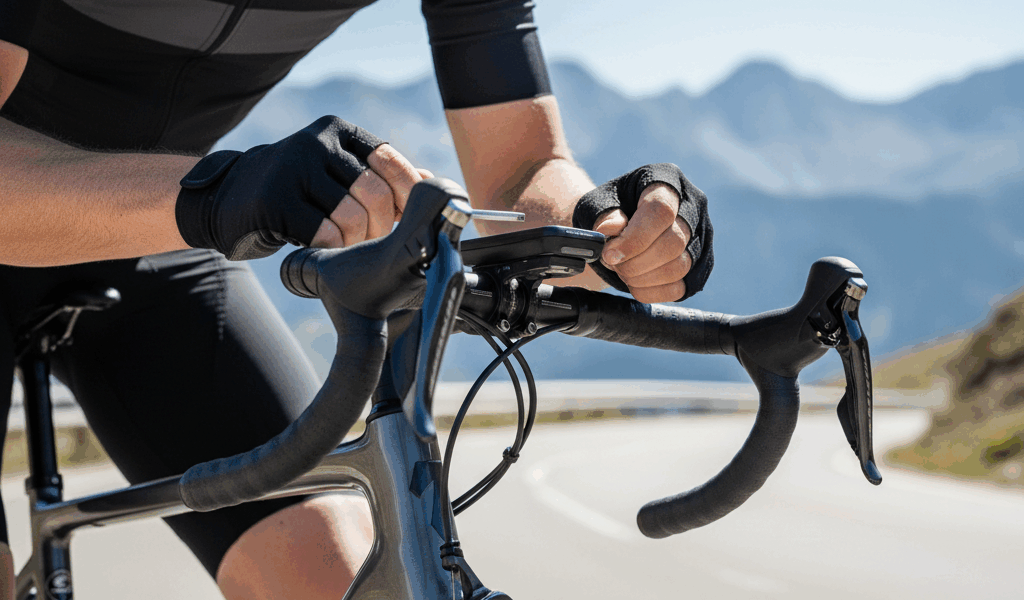
Cycling numbness prevention has gotten complicated with all the saddle designs and positioning advice flying around. As someone who dealt with this problem and solved it through saddle changes and fit adjustments, I learned everything there is to know about keeping sensation intact. Today, I will share it all with you.

That’s what makes comfort endearing to us long-ride cyclists — the right setup means riding without worrying about numbness.
Why Numbness Happens
Probably should have led with this section, honestly — understanding the cause makes solutions clearer.
Numbness results from pressure on nerves and blood vessels. The perineum — the area supporting your weight on a saddle — contains important structures. Prolonged compression reduces blood flow and nerve function. The result: numbness, tingling, discomfort.
Common Causes
But what specifically causes problems? In essence, saddle design, riding position, and ride duration all contribute.
Saddle shape: Narrow racing saddles concentrate pressure. Flat saddles don’t match everyone’s anatomy. Wrong width doesn’t support sit bones properly.
Saddle angle: Nose tilted up increases perineal pressure. Level or slightly nose-down usually works better.
Position: Aggressive forward lean increases pressure on soft tissue. More upright positions distribute weight to sit bones.
Duration: Short rides rarely cause problems. Extended time in the saddle without position changes accumulates pressure.
Practical Solutions
I’m apparently in the camp that changed saddles multiple times before finding the right one. Frustrated by numbness on long rides despite good fitness, I learned that equipment matters more than toughening up.
Saddle with cutout: Channel or hole in center relieves pressure on sensitive areas. Works for many riders.
Proper width: Measure sit bones. Match saddle width. Wrong width defeats other features.
Position adjustment: Level saddle or slight nose-down tilt. Check saddle isn’t too high — causes rocking and shifting.
Standing intervals: Stand on pedals every 15-20 minutes. Restores blood flow. Simple habit that prevents problems.
Saddles Worth Trying
ISM saddles: Split-nose design eliminates center pressure entirely. Different but effective for many riders.
Specialized Power: Short nose, wide channel. Popular with cyclists who experienced issues on traditional saddles.
Selle Italia SLR: Proven design with various cutout options. Good for riders who want traditional shape with relief channel.
When to Seek Help
Occasional temporary numbness that resolves quickly is common and usually harmless. Persistent numbness that doesn’t resolve after rides warrants attention. Chronic issues deserve professional bike fitting and potentially medical consultation.
Making the Call
Don’t ignore persistent numbness. Start with saddle angle and position adjustments — free and often effective. Consider saddles with cutouts or different shapes. Measure sit bones to ensure proper width. Take standing breaks on long rides. Professional fitting helps when DIY solutions don’t work. Riding shouldn’t cause lasting discomfort.
Recommended Cycling Gear
Garmin Edge 1040 GPS Bike Computer – $549.00
Premium GPS with advanced navigation.
Park Tool Bicycle Repair Stand – $259.95
Professional-grade home mechanic stand.
As an Amazon Associate, we earn from qualifying purchases.




Stay in the loop
Get the latest wildlife research and conservation news delivered to your inbox.