Cycling Gels: What I Actually Learned After Using Them For Years
I have probably consumed hundreds of energy gels over the years. Started using them because everyone said I should, had no idea what I was doing, made some mistakes, and eventually figured out what works for me. If you are new to endurance cycling and wondering about gels, here is the real-world perspective.
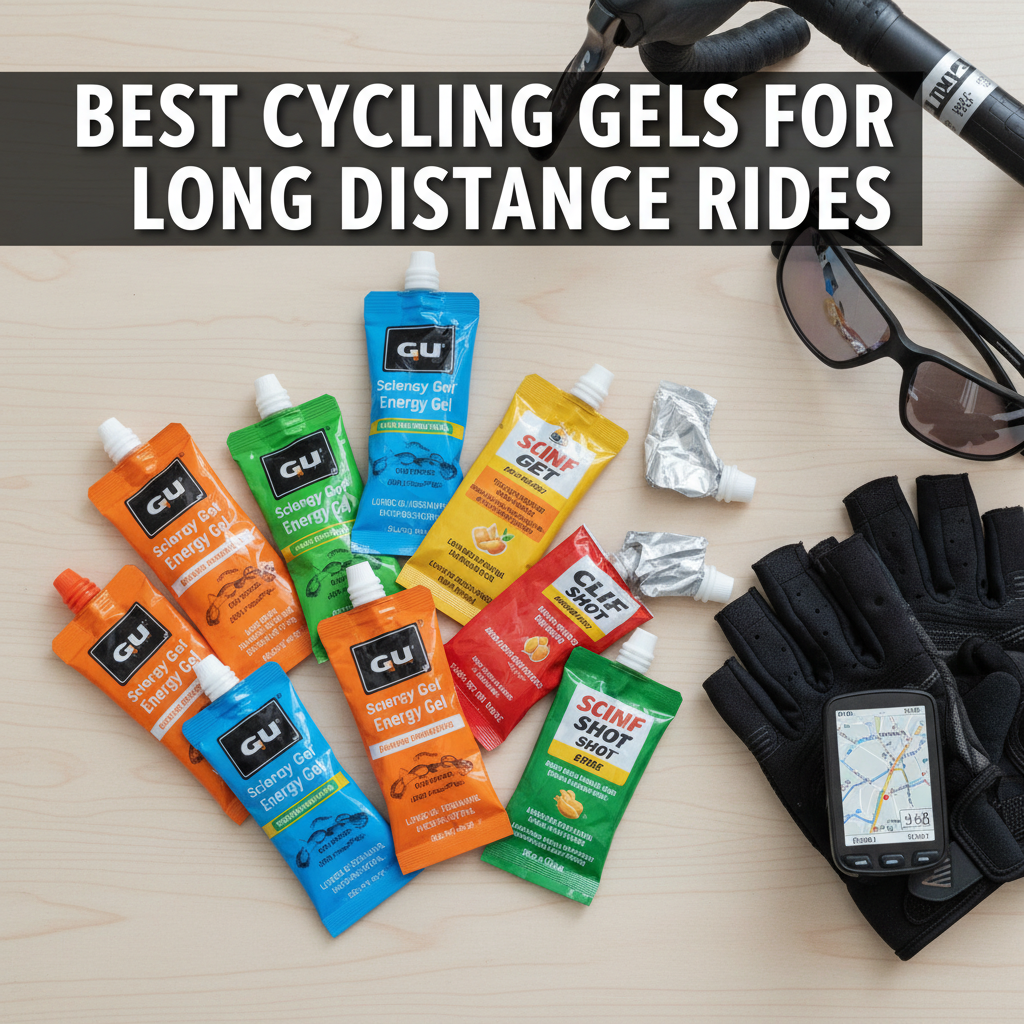
What These Things Actually Are
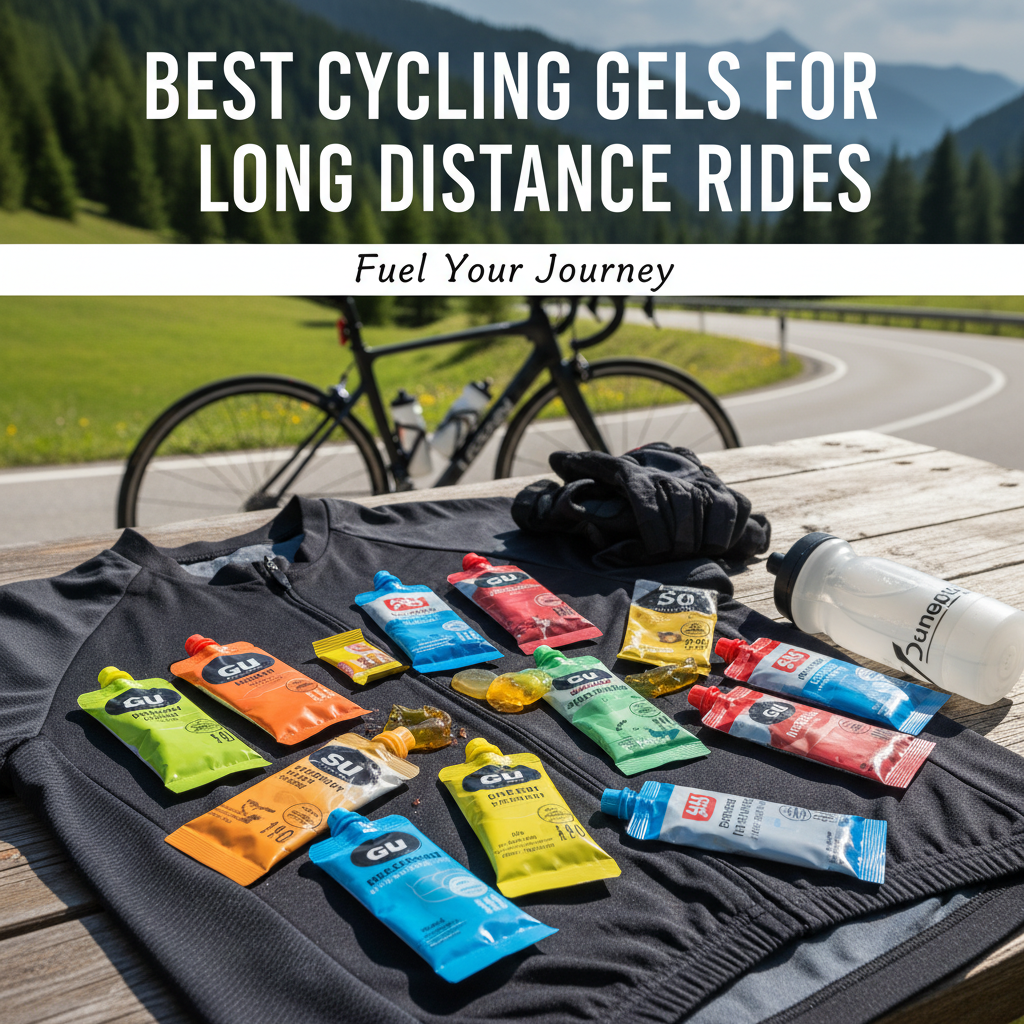
Energy gels are basically concentrated carbohydrates in a gooey, semi-liquid form. They come in little packets that you tear open and squeeze into your mouth while riding. The whole point is to get calories and energy into your body quickly without having to chew solid food.
They taste… well, some taste okay and some taste pretty rough. Sweet, sometimes with weird chemical undertones. You get used to it.
When You Actually Need Them
Here is something nobody told me when I started: you do not need gels for short rides. For anything under 60-90 minutes, your body has enough stored glycogen to get through without additional fuel. A bottle of water is all you need.
Gels become useful when:
- You are riding more than 90 minutes
- The intensity is moderate to high the whole time
- You are doing events or races where performance matters
- You cannot or do not want to deal with solid food on the bike
For years I was gulping gels on every single ride, even 30-minute commutes. Total waste of money and unnecessary calories. Live and learn.
How I Use Them Now
My current approach after a lot of trial and error:
Before a long ride: I usually eat a real meal 2-3 hours before. Something with carbs and not too much fat. Then maybe half a gel about 15 minutes before starting if I feel like I need a boost.
During the ride: For rides over 90 minutes, I take a gel roughly every 45-60 minutes. This is not a rigid schedule – sometimes I need it sooner if I am going hard, sometimes I can stretch it longer if the pace is easy. I have learned to listen to my body.
The crucial part: I always chase a gel with water. Not a sip – a good few gulps. This is important. Gels are concentrated and your stomach needs water to process them properly. Skip the water and you risk stomach issues.
Flavors That Work For Me
This is super personal. What works for one person might be disgusting to another. But here is what I have found:
Citrus flavors (lemon, orange) tend to be least offensive for me during hard efforts. Something about fruity acidity works better than super sweet flavors when I am suffering.
Chocolate or vanilla flavors are too rich for me mid-ride. They leave this coating in my mouth that I find unpleasant while breathing hard.
Coffee or mocha flavors are hit or miss. Sometimes the caffeine boost is welcome, sometimes the flavor feels wrong.
I usually carry two or three different flavors on long rides because taste fatigue is real. By hour three, whatever seemed fine at the start can become unappetizing.
The Caffeine Question
Some gels include caffeine, some do not. Caffeine can genuinely help with energy and focus during long efforts, but there are trade-offs.
I use caffeinated gels strategically – usually later in a ride when I start feeling mental fatigue. Too much caffeine makes me jittery and can mess with my stomach. One or two caffeinated gels per long ride is my limit.
If you are sensitive to caffeine or riding in the evening, stick with non-caffeinated options. Seems obvious but I learned this the hard way after a late ride that left me unable to sleep.
Stomach Issues Are Real
Okay this is the uncomfortable truth nobody talks about: energy gels can cause stomach problems. Bloating, cramping, and yes, the urgent need to find a bathroom. It happens.
Things that have helped me avoid gut trouble:
- Always drinking water with gels, not just after but during
- Not taking gels too frequently – every 45-60 minutes is plenty
- Avoiding gels during extremely intense efforts (wait for a rest period)
- Sticking with brands my stomach has proven to tolerate
- Not trying new gels on race day or important rides
That last point is huge. Never experiment with nutrition during an event. Figure out what works in training first.
Brands I Have Experience With
Not going to rank these because everyone responds differently. Just sharing what I have actually used:
GU: The most common brand, available everywhere. Huge variety of flavors. My stomach tolerates them well. This is my default choice.
Clif Shot Bloks: These are not gels but gummy chews. I sometimes use these as an alternative when I want something I can chew. Takes a bit longer to digest but some people prefer the texture variety.
Maurten: The fancy expensive option. Uses some kind of hydrogel technology. Honestly, I tried them and could not tell a meaningful difference from regular gels. Maybe elite athletes notice something I do not.
Honey Stinger: Honey-based, organic, a bit thicker consistency. Some people love the more natural ingredients. I find them a bit too thick and sticky for my taste but they work.
SIS: These are isotonic gels that supposedly do not require water. In my experience, I still prefer drinking water anyway, so the advantage is lost on me.
How Many To Carry
My rule of thumb: one gel per hour of expected riding beyond the first hour, plus one extra just in case. So for a 4-hour ride, I carry 4-5 gels.
I stuff them in my jersey pockets or tape them to my top tube for easy access. Some people use a little bag that attaches to the frame. Whatever works for your setup.
Alternatives To Gels
Gels are not the only option for ride fuel. Other things I have used successfully:
Bananas: Nature is original energy food. Cheap, effective, easy to digest for most people. The packaging (peel) is even biodegradable. I still bring bananas on long rides sometimes.
Rice cakes: Some people make little rice balls wrapped in foil. Savory option if you are tired of sweet stuff.
Energy bars: Work fine but harder to chew while riding hard. Better for easier sections or breaks.
Sports drink: If you use drink mix with carbs, you can get a lot of your fuel from what you are drinking. I usually do a mix of drink calories and gel calories.
The advantage of gels is purely convenience. Quick to consume, easy to carry, no chewing required. But they are not magic. Just concentrated carbs.
Cost Adds Up
At 2-3 dollars per gel, the cost adds up if you ride a lot. A 100-mile ride might use 6-8 gels. Do that every weekend and you are looking at real money over a season.
Some ways to manage cost:
- Buy in bulk (boxes are cheaper per gel than singles)
- Use gels only when actually needed (skip them on shorter rides)
- Mix in cheaper alternatives like bananas
- Make your own (some people do this, I have never bothered)
What I Actually Carry Now
For a typical long ride (3-4 hours), my nutrition setup is:
- 4-5 gels, varied flavors, one or two caffeinated
- Two bottles, one with plain water, one with electrolyte drink mix
- Sometimes a banana or half an energy bar for variety
This has worked consistently for me over hundreds of long rides. Your mileage may vary – literally.
The Real Takeaway
Gels are just a tool. They provide quick energy in a convenient form. That is it. They are not required, they are not magic, and they take some experimentation to use well.
Figure out what works for your stomach, your taste preferences, and your riding style. Train your gut to handle them by practicing during training rides. Do not try anything new on race day. And drink water with them.
Simple stuff, really. But it took me years of trial and error to figure it all out. Hopefully this saves you some of that learning curve.