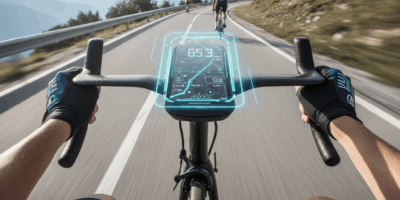
Bicycle theft remains endemic. Even quality locks only deter casual thieves; organized theft rings cut through anything portable. But new technology promises to help recover stolen bikes after the fact. GPS trackers, AirTags, and smart bike systems all claim anti-theft credentials. I tested multiple approaches to find what actually works when your bike disappears.
The Technology Categories
Dedicated GPS trackers like Bosch Connect and Sherlock embed cellular-connected GPS units in your bike. They require subscriptions but provide real-time location tracking with dedicated cycling interfaces.
Apple AirTags and Tile trackers use Bluetooth networks for location updates. No subscription required, but they rely on nearby devices for position updates. These aren’t GPS; they’re crowd-sourced proximity detection.
Smart bike systems, primarily found on high-end e-bikes, integrate tracking with motor and battery systems. Theft of the complete bike triggers alerts; component theft is harder to track.
GPS Trackers: The Good and Bad
Real GPS tracking provides genuine location data. When your bike moves, you know exactly where it goes. For organized theft where bikes are quickly transported, this matters enormously.
Downsides are significant. Monthly subscriptions add ongoing cost. Battery life requires charging or replacement. Determined thieves who know about trackers can find and disable them. The hidden tracker market has created a hidden tracker detection market.
Recovery still requires action. Having your bike’s location doesn’t mean getting it back. Police response to bicycle theft varies dramatically by jurisdiction. Some areas actively pursue GPS locations; others won’t engage.
AirTags: Surprisingly Effective
AirTags cost $30 with no subscription. Hide one in your bike, in the handlebar, under the saddle, or in a discrete mount, and Apple’s Find My network provides updates whenever any iPhone passes nearby.
In urban areas, this works surprisingly well. AirTag positions updated multiple times daily in my testing. The dense iPhone user base creates effective coverage without cellular costs.
Rural recovery is less reliable. Without passing iPhones, AirTags go silent. Thieves who know to look for AirTags can find and discard them. Apple’s anti-stalking features, designed to protect people, also notify thieves carrying tracked bikes that an unknown AirTag is traveling with them.
Smart Bike Systems
VanMoof’s integrated anti-theft, before the company’s challenges, demonstrated what’s possible. GPS, cellular, motor lockout, and dedicated recovery teams created comprehensive protection. Other brands are building similar systems.
The limitation: these systems work for complete bikes only. Component theft, stripping valuable parts from locked frames, isn’t addressed. And proprietary systems only protect their own bikes.
The Realistic Approach
Layer your defenses. A quality lock prevents casual theft. An AirTag provides low-cost tracking. GPS adds real-time recovery capability for high-value bikes. Registration with BikeIndex or similar services creates recovery pathways.
Insurance remains essential. No tracking technology guarantees recovery. The peace of mind from proper coverage beats the stress of tracking a stolen bike while hoping police will help.
The Verdict
For most cyclists, AirTags provide the best value proposition: cheap, subscription-free, and effective in urban environments. Serious theft deterrence requires dedicated GPS for high-value bikes.
But technology alone doesn’t stop thieves. Smart locking practices, secure storage, and realistic expectations about recovery matter more than any tracker. These devices help, but they’re not magic.
Subscribe for Updates
Get the latest articles delivered to your inbox.
We respect your privacy. Unsubscribe anytime.